Travelling is an enjoyable process but it ought to be ready, conscious but possess certain realistic plans to make it enjoyable and free of worries and fears. The experienced travelers tend to give gratuities to help them in every part of a journey such as planning to reaching the home. The foundation of a hassle free travelling is planning before travelling to ensure that you have right documents, research and plans, just in case. Traveling can be handled in order to prevent disappointments and unwarranted costs in traveling, security, and spending. The retrospective behaviors (organizing the memories and deriving lessons based on the travel experience) improve the future journeys. It is enjoyable and unforgettable to travel well when one travels with efficiency, knowing his or her local culture and possessing a flexible attitude. Technology can be used to enhance the convenience, through map, budgeting, and communication applications. Health and safety awareness can be seen as a guarantee of personal safety and well being upon visiting new destinations. The financial strategies that will enable avoid the resulting stress that is a result of spending without a reason and will enable one to wear the spending without spending the money are budgeting, saving, and tracking spending. Social activities such as meeting locals and other tourists will also enrich the experiences and provide an insight on what the other tourist attractions do not provide. The four dimensions are planning, safety, financial awareness, and personal growth, and with their assistance, the travelers can make their trips more enjoyable and comfortable. This article provides 20 tips required when traveling, which are divided into pre-travel, during-travel, and post-travel stages in a bid to assist any kind of traveler (whichever the level of experience) in ensuring that his or her trips are maximized in addition to the fact that the memories are maximized.
Pre-Travel Tips
The preparation before traveling is the major success. Proper planning will reduce the level of stress, provide security and a means of handling money. A destination research is necessary: it is important to know the local culture, weather, language, transportation, attractions, potential danger factors. Create a travel plan, it should be a rough one though, to balance between the exploration and rest, but remember that you have to see the places which you must. Make sure to carry necessary documents including passports, visa, travel insurance and identification cards. Electronic and hardcopy copies of key documents should be prepared to ensure that in terms of failure, one gets the copy that can be used in cases lost or stolen. Monitor health conditions like immunizations, physician prescriptions and travel alerts. Budget, accommodation, transport, food, amusements and emergency. You are used to exchange rates and the mode of payment and when you arrive there, you are not at a loss. Preplan and pack according to weather, length of the trip and activities giving more emphasis on multi-purpose clothing and what is needed. Research into the possibilities of transport in the country and its traditions in order not to be surprised. Pre-travel arrangements made online give a positive backdrop of the trip and the individuals visiting the destination place are assured of having a pleasant time in the destination location. The initial time travelers can experience and enjoy the full advantages of having all their pre-travel arrangements sorted, to be able to have their way with less risk of the travel and maximum enjoyment. The tourists who are ready to fulfill all the logistical, financial, and cultural demands ahead of time are ready to have a good stressful-free trip.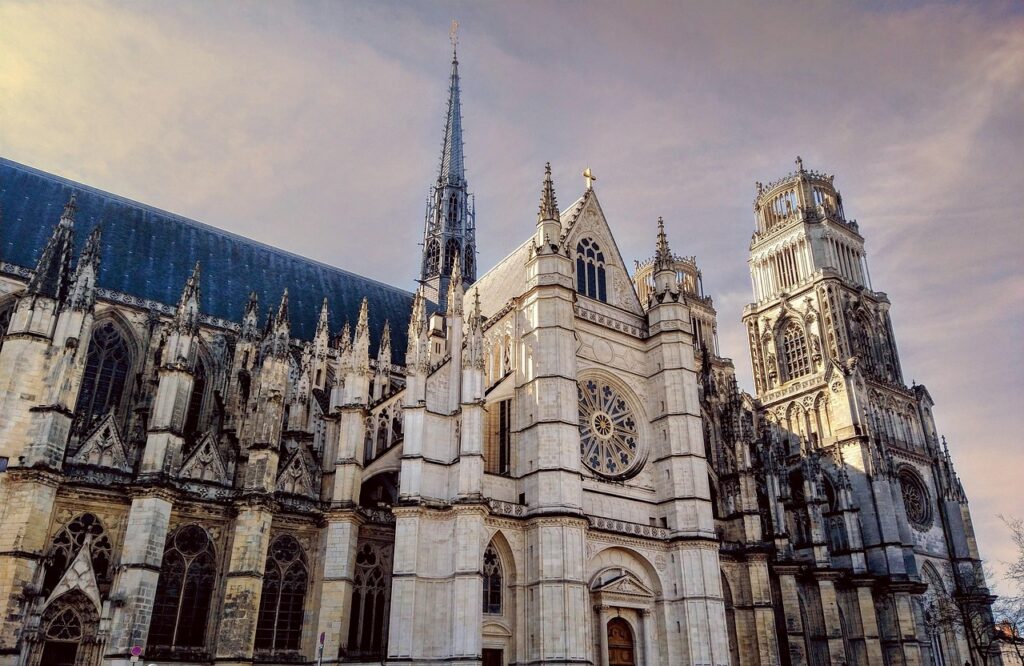
Planning & Research
The planning and research are the first steps to any trip. The initial one is to identify where you are going and how much time you have to get there, what the key attractions or experience you want to get that you would wish to visit. Familiarize yourself with the territory and transport and research maps in order to know how logistics and accessibility functions. Read travel blogs, travel forums and official tourist websites to use insider tips and safety tips, restaurant and accommodation and tourism attraction recommendations. Note conditions of check season and weather to pack in a good manner and avoid trouble of weather. Get acquainted with local customs, etiquette and legal requirements so as not to get lost or commit a crime. Evaluate the visa arrangements, health messages and domestic policies particularly those on international traveling. Planning involves budgeting, price comparison, flights, accommodation and activities and making special offers or reduction in prices. Finding out of emergency services, embassies, and local medical facilities is also an element of the pre-trip research. The more research you have studied, the more prepared you would be to participate and surmount the setbacks in order to save money and enjoy meaningful experiences. The assurance comes as a result of planning and research and reduces the amount of surprises and allows the traveling people to enjoy the trip rather than solving the problems they can avoid. When tourists are enlightened, they have the capacity to explore sites efficiently, prioritize attractions and admire cultural heritage in responsible and safe way and get maximum out of any particular trip.
Documents & Insurance
Such key names and insurance are relevant in regard to a secure and stress-free traveling. Passports, identifications, visas, hotel confirmations, boarding passes and all the above are to be made and stored near at hand. Travel insurance can also be highly recommended as well as health crises, trip cancellation, lost luggage, and other unexpected circumstances. The financial loss insurance covers against financial loss and it is a fairly peaceful especially when one travels abroad. Keep all valuable stores in cloud and email storage. Have other contact identification and emergency contacts as prescription and vaccination records. Ensure that your passport and visa are still valid until the period when you intend to visit the country and make sure that it is valid in all locations that you intend to visit. Finally, time wastage or fines or even rejection will be avoided by proper documentation. Medical assistance, repatriation or financial assistance due to an emergency would be ensured by insurance. The travelers should read the policy information provided with care in order to address the limitations, exclusions, and claims procedures. Proper document and insurance management can reduce the risks and raise the degree of security and allow the travelers to enjoy and forget about the administration problems. Having planned paperwork and a comprehensive insurance cover is one of the fundamental procedures on the way to the responsible and confident travelling.
Backup Copies
The copies of the duplicate of the travel documents, itineraries and other important persons should also be kept. Storage can be on the cloud or email or in safe-travelling applications. They are not supposed to hold the hard copies of passports, visas, insurance, tickets and emergency contacts with the original copies. The travelers are always assured of protection in case of any loss, theft or destruction since they have backup copies. They facilitate the speedy replacement of valuable paperwork, occupancy continuity, air travel and transport. Backup copies can also help when communicating with embassies, hotels or local authorities. A backup is a reduced stress, the ability to respond to an emergency, and safety in traveling. This behavior is quite convenient to the new travelers because they would minimize the hassles because of unforeseen issues. The organized backups facilitate lightening the load of the journeys, and free travelling and allow individuals to concentrate on travelling and enjoyment and evade the nervousness about the misplaced records or inconveniences in travelling.
Travel During the Trip
The journey entails travelling that should be considered concerning transport, safety and finances. The planning of transportation is efficient in such a way that individuals reach their destinations easily and use a form of transport, a taxi, ridesharing or renting a car. Locking up of personal equipment and being aware of the surrounding should be taken as safety measures. The trip money should also be well managed. Having money and cards on hand, paying with secure money, and tracking spending will assure an individual that he/she is not spending too much money or losing it. The travelers too must make arrangements of activities in time-table, rest and sightseeing and must be able to change abruptly. Well-being will be enhanced with health and hydration, food safety and compliance with the local traditions. It can be technology that can facilitate navigation, budget monitoring and communication. They can be made more efficient and safe with the help of maps, transport, and translation apps. It is possible to reduce stress by ensuring one is organized and conscious during the trip in order to have the most of an experience. This orientation to the logistics per day means that travelers will be able to make the journey to the full without falling into the traps. All these during travelling make the experience enjoyable when strategic planning, safety and awareness of all these is done.
Transportation & Safety
Transportation and safety are hand in hand during travelling. Familiarize with local transportation, routes and schedules. The transport system is affordable, reliable and convenient. When it comes to taxis or ride sharing it is preferable to negotiate prices in advance or turn to trustworthy services in order to avoid fraud. During the renting process, inspect, understand the regulations in the location and cover them. Always observe what is going on around more so during the peak periods and tourist places and in unfamiliar places as well. Lock up your valuables and do not flaunt with rich witch. Monitor the local news or alerts so as to be aware of safety concerns. Preparedness is increased with knowledge of emergency contacts, local authorities and medical facilities. Safe transportation and higher alertness are a sure way of a smooth journey. Good organization and cautions are used to prevent accidents, theft, and delay and allow the passengers to continue with their travels without making any unnecessary risks. Travel safety is not a mere physical one, but also a cultural awareness, rules, safety and other potential traps that would make the experience secure and worry-free.
Saving Money on the Go
Travelers will also save money when they are in transit by making wise decisions. Take a bus or walk instead of taking a taxi. Bed and Break or low cost accommodation. Eat at the local markets, street vendors or eat out in the local casual restaurants rather than the costly restaurants. Get a discounted entrance into places of interest, and public transportation by purchasing city passes or tourist cards. Organize field trips to museums and other cultural institutions when admission is free or has a discount. Track daily expenses using journals or apps. Do not spend money on unnecessary shopping or whim. Budgeting will enable one to compare the cost of doing things such as transport and eating out in order to find the least expensive activities. This will enable the travelers to save more on the go and increase the number of activities or activities to enjoy their trips and be at ease with their finances.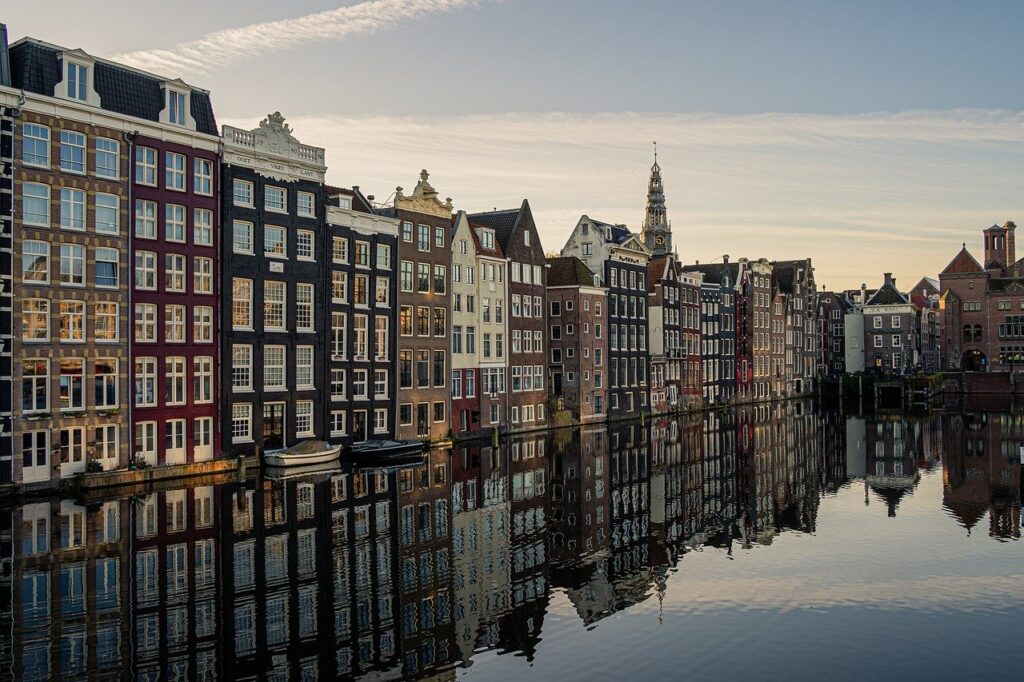
Smart Spending Habits
To spend wisely, it is necessary to plan and monitor the daily expenses. Use money on essential items first like accommodation, food, costs on transport and major place of interest. Use cash on minor purchases to make sure that you do not spend much but use cards in the situations when you have to make a purchase of a big character. Activities/Restaurant Research deals, discounted and promotions. Confirm payment methods, ATM fees and exchange rates to eliminate unjustified expenses. Experiences are good since they take longer and assist an individual to acquire more than a souvenir or a luxurious product. The sequence will ensure a stress free travelling wherein the travelers can enjoy their travelling fully.
Post-Travel Tips
The memory could be maintained with the help of the post-travel activities during which the experiences should be reviewed and the further travels should be planned. Organizing pictures, tickets and travel documents will give them a memory of the vacation and will allow them to share it with their friends or on social media. In retrospect, it can be seen that learning and special experiences that have been experienced can be used in future trip planning and decision making. The budgeting strategies are polished by examining the expenditures, accommodation, and activities. Taking other communities on the trip or leaving their comments will assist other travelers as well as make the individual experience more consolidated. Keeping in contact with new friends or network that is created during the process of traveling will create prospect in the future. Post-travel activities enhance growth, reflection and expectation of the upcoming travel, enhancing the overall travelling experience and experience.
Managing Photos & Memories
The setting of images and traveling experiences will provide a prolonged enjoyment of time. Store images and video content with the help of digital storage, cloud or third-party drives. It is easy to remember and share images captured in tags and sorted and captioned, which are easier to remember. Photographs, a travel journal or diary are some of the ways of keeping memories, observations, and thoughts. The records can provide the direction of how to go on the next visits, record storytelling, and preserve the knowledge of the culture. When it is taken care of, you will not lose the data and experience that will also re-experience all that in the right way. In addition, it is also beneficial to share memories with friends or online groups, which contributes to the establishment of a personal association and encourages others.
Learning From Each Trip
Every journey is an experience on what to do the next time. Assess what was good, what had gone wrong and how experience might be better in future. Take into consideration budgeting, itinerary, accommodation and transportation effectiveness. Determine mistakes and success in packing, security and cultural aspects. The experience on all trips helps in creating superior strategies of planning, wasting less time, money, and much stress in the future. The travelers are in a better position when the lessons they have acquired in the past tours are wise making them more flexible and innovative and even making the other travel experiences even better.
Improving Future Travel
The lessons should be implemented and more functional itineraries should be planned as well as one should be flexible to make the future travels better. Read study travel books, tips and first hand experience so as to maximize the paths, tours and budget. Aim to encounter challenges and prepare to have contingencies towards some unpredictable events. Prioritize on experience that would provide the most worth and enjoyment at a reasonable price. The efficiency and satisfaction are changed positively due to the continuous enhancement of the strategies of packing, budgeting, safety, and cultural engagement. Having the experience of the previous journeys, the traveler learns the art which would make every new journey better and easier, more organized and memorable.
- FAQs:
- What are the top pre-travel tips?
Research destinations, plan itineraries, check documents, and secure travel insurance. - Why is backup documentation important?
Backup copies protect against loss or theft and ensure continuity for flights and accommodations. - How can travelers save money during trips?
Use public transport, eat locally, book in advance, and take advantage of discounts or passes. - What is a smart way to manage spending?
Allocate funds for essentials first, monitor daily expenses, and avoid unnecessary purchases. - How can travelers ensure safety?
Remain aware of surroundings, secure valuables, follow local laws, and know emergency contacts. - Why manage photos and memories?
Organizing photos and notes preserves experiences and helps plan future trips. - How do travelers learn from past trips?
Reflect on successes, challenges, and lessons to improve planning, budgeting, and overall travel experience. - What is the key to improving future travel?
Apply insights, refine strategies, maintain flexibility, and prioritize experiences for efficiency and enjoyment.