The True Cost of Food in the USA: Grocery Stores vs Restaurants Guide (2026)
Real Food Cost Breakdown in the USA and Why Prices Feel High in 2026
Food prices in the USA are highly variable depending on the place and the type of food consumed. Inflation and supply chain costs, as well as labor costs, are affecting food and restaurant prices in 2026.
While groceries may seem more affordable than eating out, it depends on the type of food you like to eat, where you live in the city, and what you eat.
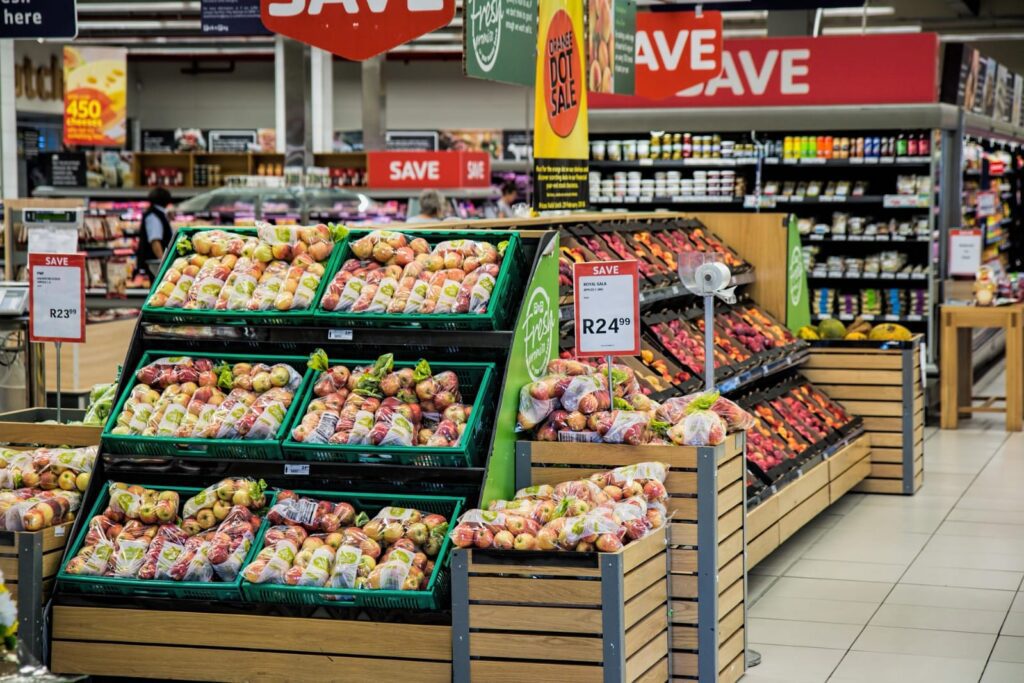
You can find better per meal prices with home cooking in grocery stores. In general, the cost of basic foods such as rice, pasta, eggs, chicken, vegetables, and bread is lower when bought in bulk than in restaurants.
A home cooked meal can cost a mere 10% more than a restaurant meal. When you eat at a restaurant, you’re paying for convenience, taxes, rent, service and cooking.
The prices of fast food have even risen at major U.S. cities such as New York, Los Angeles and Chicago.
Purchasing food at a grocery store typically is cutting costs for a single person or student per day. Restaurants make it convenient for short term visitors, but they up the cost of food budget.
The actual cost difference would vary according to the frequency of cooking at home and eating out.
Grocery Store Costs and What You Actually Spend per Week in US Cities
- Grocery shopping in the USA can be either affordable or expensive depending on where you live and where you shop. Discount retailers such as Walmart, Costco, Aldi, and Kroger generally offer lower prices than convenience stores or premium grocery chains, helping shoppers reduce their weekly food expenses.
- A single person can keep weekly grocery costs under control by purchasing essential items such as rice, eggs, bread, milk, vegetables, fruits, chicken, and pasta. Preparing meals at home using these ingredients is usually much more affordable than eating at restaurants every day.
- Grocery prices vary significantly between major US cities and smaller towns. Cities such as New York and San Francisco have higher food prices because of their overall cost of living, while suburban areas and smaller cities generally offer more reasonable grocery costs.
- Buying groceries in bulk can reduce the cost per meal, especially for frequently used items like rice, pasta, frozen vegetables, and canned foods. Warehouse stores such as Costco often provide better value for families and long stay visitors.
- Preparing simple meals such as sandwiches, pasta dishes, rice bowls, soups, and salads helps minimize daily food expenses while providing nutritious and satisfying meals throughout the week.
- Grocery shopping requires access to a kitchen, basic cooking equipment, and adequate food storage space. Travelers staying in hotels without kitchen facilities may find it difficult to take full advantage of grocery savings.
Restaurant Costs and Why Eating Out Becomes Expensive Quickly
- Dining at restaurants in the USA offers convenience, but it usually costs significantly more than preparing meals at home. Even a simple restaurant meal can cost several times more than cooking the same meal using grocery store ingredients.
- Fast food restaurants are generally cheaper than full service restaurants, but eating fast food regularly can still become expensive when purchasing breakfast, lunch, and dinner every day.
- Sit down restaurants include additional operating expenses such as rent, staff wages, and service costs, which are reflected in menu prices. Customers are also expected to leave tips that typically range from 15 percent to 20 percent of the total bill.
- Restaurant prices are especially high in major cities such as Miami, Los Angeles, New York, and San Francisco, where higher business costs result in more expensive menu items.
- Food delivery services often include delivery charges, service fees, platform fees, and optional driver tips. These additional costs can substantially increase the total price of a meal compared with dining in or cooking at home.
- Restaurants provide convenience, save preparation time, and offer a wide variety of cuisines. However, frequent dining out can quickly become one of the largest expenses in a travel or living budget.
Hidden Food Costs You Often Miss in Both Options
- The cost of food extends beyond the price displayed on grocery shelves or restaurant menus. Many hidden expenses can significantly affect your overall food budget throughout the month.
- Grocery shopping involves additional costs such as transportation to the store, kitchen appliances, cooking utensils, food storage containers, and occasional food waste when ingredients spoil before being used.
- Restaurant meals often include hidden expenses such as taxes, service charges, delivery fees, convenience fees, and customer tips, making the final bill much higher than the advertised menu price.
- Time is another hidden cost that many people overlook. Grocery shopping requires meal planning, cooking, and cleaning, while restaurants eliminate those tasks but charge considerably more for the convenience.
- Travelers, busy professionals, and visitors staying for short periods often choose restaurants because they save time, even though the long term financial cost is much higher.
- Understanding both visible and hidden food expenses helps travelers create a more realistic daily and monthly food budget while visiting the United States.
Health and Food Quality Differences Between Cooking and Eating Out
- Cooking meals at home gives people complete control over ingredients, portion sizes, cooking methods, and nutritional value. This makes it easier to maintain a healthy diet while reducing unnecessary calories, sodium, and unhealthy fats.
- Grocery shopping allows consumers to purchase fresh vegetables, lean proteins, whole grains, and healthier ingredients that support long term health and balanced nutrition.
- Restaurant meals often contain larger portions along with higher amounts of salt, sugar, butter, and cooking oil to improve flavor. Regularly eating restaurant food may increase daily calorie intake without people realizing it.
- Restaurants provide access to a wide variety of international cuisines that many people cannot easily prepare at home. This makes dining out enjoyable for experiencing different cultures and flavors.
- Home cooking supports consistent healthy eating habits, while restaurant dining provides convenience and social experiences. Choosing the right balance depends on individual lifestyle and dietary goals.
- Preparing meals at home also allows people to accommodate food allergies, medical conditions, and personal dietary preferences much more easily than relying on restaurant menus.
Budget Comparison for Solo Travelers and Long Stay Visitors in the USA
- Solo travelers usually spend much less on food by purchasing groceries and preparing simple meals instead of eating at restaurants every day. This approach significantly lowers daily living expenses during extended stays.
- Restaurant dining offers convenience during travel but quickly increases overall trip costs, especially when purchasing multiple meals each day throughout several weeks or months.
- Students, remote workers, international visitors, and digital nomads often rely on grocery shopping because it provides greater financial control and helps maintain affordable monthly budgets.
- Short term tourists staying in hotels without kitchen facilities frequently depend on restaurants because cooking is not always practical during brief vacations.
- Many experienced travelers combine both options by preparing breakfast and lunch themselves while enjoying dinner at local restaurants. This strategy balances cost savings with the opportunity to experience local cuisine.
- Selecting accommodations with kitchen facilities can substantially reduce food expenses during long visits by making grocery shopping a practical and economical option.
Final Answer: What Is Actually Cheaper in the USA in 2026?
- Grocery shopping remains the most affordable way to reduce food expenses in the USA during 2026 because preparing meals at home consistently costs much less than purchasing restaurant meals every day.
- Restaurants provide convenience, speed, and greater food variety, but these advantages come with considerably higher daily and monthly expenses compared with home cooking.
- The best choice depends on individual lifestyle, travel plans, cooking skills, and access to kitchen facilities. People who cook regularly generally spend much less on food over time.
- Eating at restaurants occasionally while preparing most meals at home offers an effective balance between saving money and enjoying different dining experiences throughout the United States.
- Combining grocery shopping with occasional restaurant visits helps travelers control their budget while still experiencing local food culture during their stay.
Daily Food Budget Reality in Major US Cities and How Much People Actually Spend
- Daily food expenses in the United States vary considerably depending on the city, personal eating habits, and lifestyle. Major metropolitan areas such as New York, San Francisco, Los Angeles, and Miami generally have the highest food costs because of their elevated living expenses.
- Preparing meals at home using affordable ingredients such as eggs, rice, pasta, vegetables, and chicken helps reduce daily food spending because these ingredients can be used for multiple meals over several days.
- Restaurant dining significantly increases daily food costs because purchasing breakfast, lunch, and dinner individually often costs several times more than preparing similar meals at home.
- Delivery platforms increase restaurant spending even further through delivery charges, service fees, taxes, and optional tips that are added to each order.
- Grocery shopping provides greater control over meal planning, food portions, and overall spending, while restaurant dining prioritizes convenience at a much higher financial cost.
- Students, long stay visitors, remote workers, and budget conscious travelers generally benefit most from cooking at home because it provides predictable monthly food expenses.
Cooking at Home Cost Structure and Why It Reduces Long Term Spending
- Cooking at home remains one of the most cost effective food strategies in the United States because grocery ingredients generally cost much less per serving than prepared restaurant meals.
- Staple foods such as rice, lentils, pasta, eggs, vegetables, beans, and chicken can be combined into numerous nutritious meals while keeping food costs low throughout the week.
- A single grocery shopping trip often provides enough ingredients for several days of meals, reducing both daily spending and the frequency of shopping trips.
- Access to a kitchen plays a critical role in maximizing grocery savings because travelers without cooking facilities have fewer opportunities to prepare inexpensive meals.
- Meal planning helps reduce unnecessary purchases and minimizes food waste by ensuring that ingredients are used before they spoil.
- Buying frequently used products in bulk at stores such as Costco or Walmart further reduces the average cost per meal and creates additional long term savings.
Restaurant Spending Patterns and Why Costs Increase Without Notice
- Many people underestimate how quickly restaurant expenses accumulate because individual meals may seem affordable, but repeated purchases throughout the month create a substantial financial burden.
- Fast food meals usually cost less than full service restaurant meals, yet eating fast food every day still results in significantly higher monthly food expenses than cooking at home.
- Restaurant bills often increase because of additional costs such as taxes, service charges, mandatory tips, and delivery platform fees that are added during checkout.
- Large restaurant portion sizes may encourage overeating or lead to food waste, reducing the overall value of each meal while increasing unnecessary spending.
- Restaurants save time by eliminating grocery shopping, meal preparation, cooking, and cleaning responsibilities, making them attractive for busy individuals despite their higher cost.
- Dependence on restaurants during long term stays in the United States is one of the primary reasons many travelers exceed their planned food budgets, making grocery shopping a more sustainable financial choice.
FAQs
Q1. Is buying groceries cheaper than eating at restaurants in the USA?
Yes. Grocery shopping is usually much cheaper than eating at restaurants. Cooking meals at home helps reduce daily and monthly food expenses, especially for students, families, and long stay visitors.
Q2. How much can one person spend on groceries each week in the USA?
Weekly grocery costs depend on the city and shopping habits. Buying essential foods such as rice, eggs, vegetables, chicken, bread, and pasta from stores like Walmart, Aldi, Costco, or Kroger helps keep expenses under control.
Q3. Why are restaurant meals more expensive than home cooked meals?
Restaurant prices include labor costs, rent, taxes, service charges, and customer tips. Food delivery services also add delivery fees and platform charges, making meals even more expensive.
Q4. Which option is healthier, grocery shopping or eating out?
Home cooking is generally healthier because you control the ingredients, portion sizes, and cooking methods. Restaurants often serve meals with more salt, sugar, oil, and calories.
Q5. Is grocery shopping practical for tourists visiting the USA?
It depends on where you stay. Travelers with access to a kitchen can save money by cooking meals. Those staying in hotels without kitchen facilities often rely on restaurants for convenience.
Conclusion
- Grocery shopping remains the most affordable way to reduce food expenses in the USA.
• Home cooking provides better value, healthier meals, and greater control over your budget.
• Restaurant dining offers convenience but comes with higher costs because of taxes, tips, and service fees.
• Travelers with access to a kitchen can save a significant amount by preparing their own meals.
• Combining grocery shopping with occasional restaurant visits offers the best balance between saving money and enjoying local cuisine.
• Choosing the right option depends on your budget, travel plans, and access to cooking facilities.