25 best Places to Visit in Europe Travel Tips
To look at compared to other parts of the world. It is beautiful because of a rare mixture of history, culture and nature.
In every spot of Europe there is something to see, there are long coasts and high mountains, and there are little quaint villages, with nothing to make a noise.
Why Europe Captivates Travelers Year After Year?
- The cities have been expanded throughout centuries and the architecture and natural landscapes have harmonized.
- The humanly scale of streets, the buildings and the places of people is timeless in its design. These locations are friendly to both the tourists and locals as nothing is made to look unnatural.
- The desecation of the European scenery keeps the tourists entertained.
- It is possible to visit medieval towns, quiet lakes, big cities, and picturesque mountains during one trip.
- Different destinations have different rhythms and different atmospheres that offer unlimited exploration opportunities. European architecture is distinguished by the detailed focus and historical importance.
- The cathedrals, castles and bridges are still in use in everyday life giving them both aesthetic appeal and historical background.
- Nature also brings a beauty of another dimension.
- There are no littered lakes, no inaccessible forests and the mountains are friendly to explorers. Seaside places are not overdeveloped.
- The attractiveness of Europe by seasons increases. Spring is full of colorful flowers, summer is full of energy, autumn is full of warm color, and winter is full of a warm and welcoming festive mood.
- History, culture, nature all this has been mixed to make Europe one of the most beautiful destinations to visit year after year giving the travelers memories and experiences that they can never forget in their lives.
What Makes Europe So Beautiful?
Europe is beautiful, as she is in balance, variety and preservation.
- There were cities and landscapes that have been formed through centuries where history and nature coexisted.
- People oriented streets not cars, and this made them accessible to pedestrians. Different regions have different types of architecture that are based on climate, culture and historical eras.
- The Mediterranean towns are concerned with light and open architecture, the North area with warmth and utility and the central regions with form and detail.
- The role of geography is also important. There are mountains, plains, rivers, and coastline that are close together and this creates variety in the scenery even with a small distance of traveling.
- The climatic variation in areas leads to a distinctive atmosphere of the regions which is attractive to various tourists.
- Visual appeal is enhanced through preservation. There is a preservation of historic buildings, streets and the public squares with very strict laws.
- There is modern infrastructure that is not dominant of historic areas and therefore they are harmonious.
- Human activity is promoted in the open spaces. Parks, squares, and waterfronts welcome communication and recreation.
- The details of works of art are present in everyday life. Care and craftsmanship make the visual experience better by decorative windows or old-fashioned street lamps.
- This is further complicated by nature protection.
- Nation parks, reserves and the coastal strips are available but under strict control to avoid environmental destruction.
- Europe is dynamic because of seasonal variations. The time of spring, summer, autumn and winter offer one another, a new sight and a new sensation, blossoming flowers and snow-thrown streets.
- All these aspects combined make Europe beautiful, balanced and ever attractive to tourists who want to get genuine, diverse, and meaningful experience all over the continent.
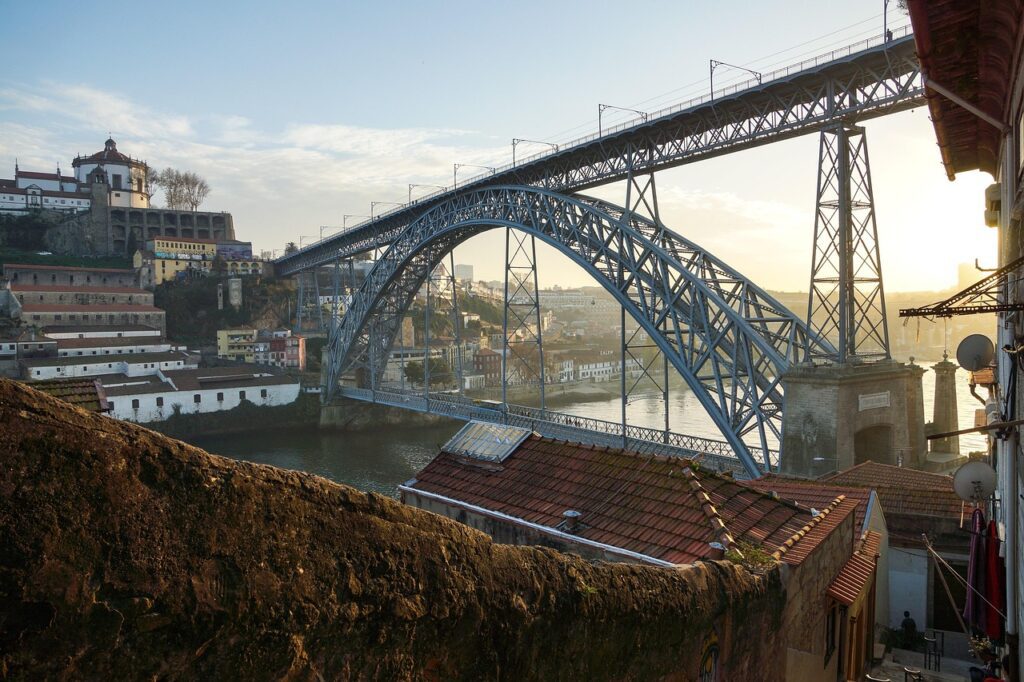
Nature, History and Architecture.
The elements of nature, history, and architecture are undivisible parts of the European image. The towns and cities will be in a harmony with rivers, hills, and coastline framing natural frames of historic buildings.
- The environment has a reaction on the architectural design: local stone is used in mountainous areas, and bright colors and open-space constructions are used in the towns of the coastline.
- Architectures provide insights into the story of trade, defense, religion, and social life. Taking a walk through ancient city centres reveals the way the human settlements transformed through centuries.
- The avenues, bridges, squares and monuments give the picture of the stream of life across generations.
- Nature is the complement of this story. Trees are planted along old edifices, streams run below new mediaeval bridges and mountains enclose towns quite organically.
- This play of the interference softens the fixity of the architecture and provides dynamic landscapes adapting to the light and the season.
- It is a combination that is true; visitors do not just go and watch monuments, they can feel how life was like.
- The visual richness developed with the help of light and texture makes photography and observation easy.
- Historical and natural are in a state of harmony. This combination is what makes Europe immortal.
- The traveler does not just have a scenic experience but also gets to understand how man has adapted and been creative throughout the centuries.
- It is architecture providing scale, nature providing context, and history providing depth.
- A combination of the elements results in landscapes that are alive, immersive and pleasing to the eye.
- The harmonization of all parts of Europe makes sure that each part will have its own tales, and travelling in Europe will always be worth traveling and its stories will always be the same and interesting.
Old Towns and Landscapes
Europe is charmed and its history is enclosed by old towns. Winding, narrow streets are slowing down the movement and inviting one to explore, whereas the central squares suddenly open up into revealing old buildings, markets, and local life.
- The architecture is designed using local materials, including stone, clay, and timber, which grow old and develop a friendly and inviting kind of touch.
- Centuries of building are reflected in rooftiles, windows and doors. Most of the ancient towns are constructed close to rivers or hills or ocean, which present framing effects and beautiful views.
- Landscapes in the vicinity perfectly match the thick urban hubs giving out a feeling of space and visual proportions.
- Shops, cafes and markets co-exist with historic locations and the tourism and the everyday local lifestyle are harmonized.
- Preservation is done to preserve original forms, height and arrangement of the streets so that it is authentic.
- As one walks along these towns, one gets a feeling of continuity, the human activity has been flowing along the same streets since time immemorial. Landscapes give measurability, color and calmness. Hills, forests, lakes and fields enable the visitors to take a break, reflect and experience natural beauty with the cultural history.
- Old towns are not overcrowded with tourists, and one can find their own space, as well as socializing.
- The visual and sensual balance between the buildings and landscape makes sure that these towns are still taken as the classic symbols of the European beauty and can be regarded as the necessary places where people want to find both the history and peace.
- The season and festivals as well as local customs bring added richness to these spaces so that the visitors come back to see a different angle to these spaces.
UNESCO World Heritage Sites
European sites On the list of UNESCO World Heritage Sites, sites of great cultural, historical or natural interest are identified.
- They consist of antique cities, castles, cathedrals, archeological places and preserved landscapes. These are considered to be of universal value and are carefully preserved to high standards.
- Visitors of these places do not feel that they are interrupted by over-development or commercialization of the historical places.
- Protection laws guide building changes and regulate movement of tourism in order to save the original features and landscapes.
- Educational opportunities can be met in these sites whereby visitors will know about the past civilizations, building accomplishments and natural formations.
- Sustainable tourism has advantages to the local communities in terms of sustaining economies and fostering the pride in their cultures.
- The UNESCO recognition assures people that they will be able to enjoy the same beauty, history and authenticity in the future.
- All these factors of visual brilliance, historical importance, and maintenance make these sites one of the major focuses of the European travel.
- Tourists usually go to visit these places with a purpose to travel directly to these sites since they are a rare combination of education, inspiration, and visual pleasure.
- Europe is not an exception as the World Heritage Sites can prove that it attaches great importance to preserving the cultural and natural heritage of the country and leaves an exceptional experience to tourists interested in being close to the history, architecture and nature.
Natural Wonders in Europe
The natural wonders of Europe are various, available, and usually unexpected. On top of the rocky hills in Norway and on the peaceful lakes in Switzerland and Italy, the landscapes are different in every area.
- Mountains are full of adventure and contemplation, lakes bring peace and picture-taking, forests are green experiences, and the water-culture fusion of the coast.
- One of its characteristics is accessibility scenic regions can be accessed by road, train, or short walks. The trails and viewpoints are kept to provide the right balance between the visitor comfort and environmental protection.
- The variety of climate improves experiences.
- Northern Europe is the source of dramatic light and alpine scenery, Mediterranean areas is sunny coastline and colorful flora, and centers are rolling hills and rivers.
- The variations of seasons accentuate beauty which forms ever-changing landscape. The attitude taken towards nature in Europe provides both security and comfort without compromising the identity.
- Tourists have an opportunity to tour without congestion and the sceneries are clean and well maintained.
- Natural integrity is not compromised through infrastructure, signage and guides that add to the visitor experience.
- Europe is making natural destinations that are rough and welcoming by combining safety with accessibility.
- Tourists are able to walk, rest, take photographs, or just admire the views and feel secure and attached to the surroundings.
- The scenery in the continent is also varied to keep adventure lovers, photojournalists, and ordinary tourists alike, thus keeping Europe at the top of the list of travels that nature lovers visit across the globe.
Mountains, Lakes & Beaches
The mountains, lakes and beaches of Europe offer different experiences to the tourists. The mountain ranges, including the Alps, the Pyrenees, provide hiking and climbing, skiing, and panoramas.
- Valleys will offer peaceful and scenic views that are much needed in photography or thought.
- Europe has lakes that are found in Switzerland, Italy, and Austria, and provide the tranquility, water-based activities, and beautiful reflective surfaces with mountains or forests as the backdrop.
- The coastal areas are Mediterranean sandy beaches with warm sands to rough cliffs and dramatic waves of the north.
- There is a large variety of interests held by the traveler in each environment. It is highly accessible, which implies that natural attractions are connected by the road, trains, and walking paths.
- European nations have tracks and sceneries to be safe and also lessen the influence on the environment.
- The seasonal change offers different experiences such as summer beach relaxation to winter alpine experiences.
- Even in the areas where there are a lot of people, nature is not harmed. The landscapes are well managed to ensure authenticity and deliver both thrilling and peaceful experiences.
- The natural beauty of Europe is a combination of mountains, lakes, and beaches that provide diversity and exploration opportunities to supplement cultural and historic tourism.
- Europe is also suitable to every type of traveler as they can be active or do scenic observation. This accessibility, variety and preservation are guaranteed to make it last.
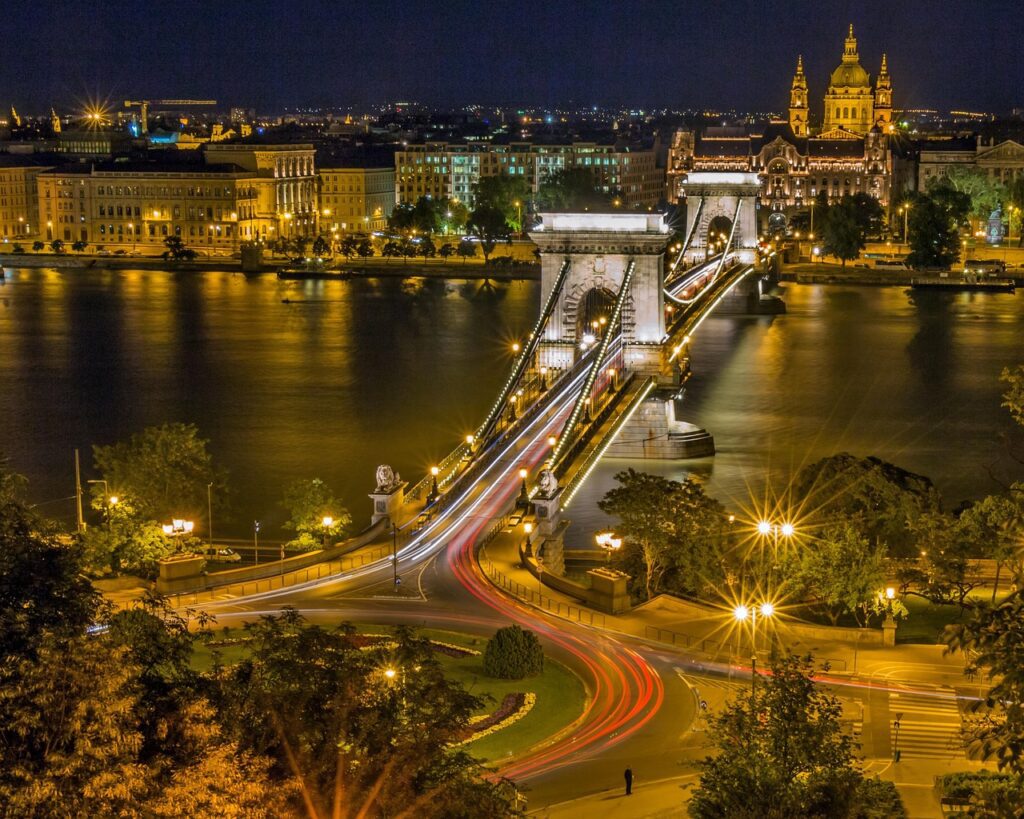
Best Scenic Locations
Europe has many picturesque places that are indelible. Mountain passes, villages on lakes, roads on Coasts, towns on Hillsides give great scenic experiences which are pleasing to the eyes as well as touching to the heart.
- These scenes are augmented by light, weather and seasonality and as such, visiting at dawn or evening or a season makes the experience special.
- Sacred landscapes guarantee that the landscape is natural and untouched. The contrast to city centers is offered by wide open views, which enable the travelers to feel the vastness and the tranquility.
- These places frequently incorporate a variety of elements: mountains are reflected on the water, forests are the environment of towns, historical buildings also interrupt the nature views.
- The accessibility is enabled with the help of marked trails, lookout cliffs, and safe passage, and the visitors are able to get to the destination without damaging the environment.
- The scenic locations provide sightseeing opportunities as well as experience, because a traveler can stop, take a breath in the air and be one with nature.
- Several shifts of the seasons, the spring blossoms, and the autumn leaves as well as the snow of the winter, all these aspects make a dynamic visual display that makes the visit worth recurring.
- The Europe countryside or the seaside is a rich source of meticulously preserved sites that are able to capture the beauty of nature of the continent and still balance with the cultural and historical sites.
Perfect Spots for Photography
Europe also offers a variety of opportunities to photographers which are rich. The compositions are formed by the architectural objects, the natural landscapes, and human activity.
- Ancient towns, paving their streets with stones, cathedrals and castles provide form and historical value.
- Scale, reflection, and dynamic lighting are provided by lakes, mountains, forests and coastline.
- The changes of the seasons also add a variety of choices in terms of the visuals, with snow, flowering and colored leaves changing the scenery every time.
- The ease of access and safety enable the photographers to have a free hand in their locations without restrictions and perspectives, tracks, and signages are used to frame the shots.
- The elements of nature and buildings usually interlock each other flawlessly forming balanced and harmonious images.
- Travel photographers have the opportunity to record broad views, close street scenes, or cultural activities without being overbearing with their camera.
- There is added depth in light and shadow, texture, and contrast. Waiting is a richer experience that gives the visitor dramatic skies, sunsets or reflections.
- In Europe, photography is facilitated by centuries of architecture and landscape that are well preserved meaning that every frame narrates a story.
- This historical, natural and human combination of Europe makes the place the best destination by an amateur or professional photographer in search of memorable images, which portray the richness and diversity of the continent.
Beautiful Cities in Europe
- The European cities are a mix of history, culture, and city beauty.
- Small sizes promote walking where visitors get to know about architecture, plazas and the public spaces at a personalized level.
- Old streets and constructions are blended with the contemporary life forming the impression of continuity and genuineness.
- Parks, squares and waterfronts offer people areas of gathering that emphasize each other on humanity and community.
- Cities tend to maintain some culture at the same time accommodating tourism without saturating the city. Accessibility is provided through the public transport and pedestrian paths.
- The change of seasons adds to the city experience, like flowers in the spring in the park and lights on the street during winter.
- Architecture is diverse it depends on the local materials, climate, historical periods, Gothic cathedrals, or Baroque palaces.
- Cafes, shops and markets are major features of streetscapes that facilitate interaction. Further engagement stems through cultural institutions, museums and festivals.
- The European cities not only are aesthetically pleasing but also practical, habitable and welcoming to the tourists.
- They are the key to the allure of Europe because of their harmony between nature and built environment, past and present.
- Cities are the centers of discovery of the surrounding landscapes, old cities, and picturesque areas, making a full travel experience a mix of both urban and nature beauty.
Romantic & Historic Cities
European romantic and historic cities are attractions to tourists in terms of atmosphere, culture and building construction.
- Narrow and winding streets, low-key light, and old buildings make small space conditions conducive to exploration.
- The architectures are a variety of medieval castles and Baroque palaces, Renaissance squares and all of them narrate the story of the past cultures.
- Beaches, rivers and mountain top serve to add romantic feelings, and squares and markets in the city give place to cultural interaction.
- Such cities tend to maintain the local ways, food, and celebrations that provide the tourists with enriching experiences.
- As you stroll in the streets, one can see strata of history, including the old fortification and new ways of adaptation to it.
- The charm is further enhanced by seasonal changes, e.g. spring flowers or winter lights. Lighting effects at night emphasize the building and make the impressions to be memorable.
- Tourists have a chance to spend time in cafes, local stores, and other cultural activities without losing touch with the past.
- These are the cities to visit with couples, individual travelers, and those who are interested in history with possibilities of reflection and communication.
- The mixture of historic heritage, natural surroundings, and human-scale structure makes the environments simultaneously timeless, friendly, and aesthetically rich and beautiful, and European romantic and historic cities are a must-see destination on the list of any tourist who wants to explore the depth and excellence of the location.
Must-See Landmarks
The landmarks in Europe make cities identifiable and generate the centres of travels. Cathedrals, castles, bridges, and old squares are iconic buildings that narrate a history of centuries of human activity.
- These landmarks are considered part of the everyday life, and they are not solitary attractions but an element of neighborhoods.
- When looking at the functional public spaces, visitors develop an insight into the past, art, and culture.
- Landmarks create meeting areas, reference points and aesthetic appeal to the character of the city. Efforts towards preservation make sure that the architectural and historical integrity is preserved.
- The accessibility enables visitors to visit these locations without interruption and interpretation and signs inform the visitors.
- Landmarks are also in connection with the natural environment, which outlines the skylines, waterways, and parks to make them more appealing to the eye.
- Aesthetic and experience attributes are enhanced by seasonal variations, lighting and festivals.
- Both big and small prospective views offer great advantages to photographers and tourists, and they capture the nature of the history and design of the city.
- As sites of local identity, the sites attract interest on the cultural significance and they are not isolated occurrences but form part of the living cities.
- Touring of attractions to see is more informative, sightseeing and experiences that make European travel experience unforgettable.
Best Times to Visit
Temporality has an impact on the experience of visiting beautiful places in Europe. The spring season is mild with greenery, colorful festivals, and it is the best season to conduct the walking tours and explore outdoors.
- During summer the days are long, the markets are outside and there are many events but may be crowded. Autumn is a good time to travel and take pictures because it is warm and the streets are calm and there is also a seasonal food.
- The winter gives festive experiences, snow covered landscapes and the special lighting of historical towns and natural sites.
- The right season would increase the visual value, comfort and cultural interaction with the locals.
- The time of day also impacts accessibility and availability, as well as price, and the shoulder season can be a good compromise of experience and convenience.
- The climates of the different regions are very different hence one should plan in relation to a particular destination.
- The winter in Northern Europe has less sunshine and the summers are rather hot and sunny whereas the Mediterranean regions are warm and the sun is shine most of the year.
- Knowledge on the differences in the seasons will see the visitors in the best scenery, cultural events, and outdoor activities.
- The consideration of time when traveling to Europe enables one to have an immersive experience in the cities, natural scenery, and historic towns in Europe so that the entire experience is maximized in terms of beauty, comfort, and satisfaction.
YOU CAN VISIST
FiFa World Cup 2026 USA Travel Guide | Tickets, Hotels & Budget Tips
FAQs
- What makes Europe one of the most beautiful regions in the world?
Europe combines history, culture, architecture, and nature in a balanced and preserved way. Each country offers unique landscapes and authentic experiences. - How does seasonal change affect European travel?
Spring offers blooms, summer brings energy, autumn creates warm colors, and winter adds cozy charm and festive lighting, providing different experiences throughout the year. - Which architectural features define European cities?
Cathedrals, castles, bridges, historic streets, squares, and local material usage create visual identity and historical depth. - How accessible are Europe’s natural landscapes?
Mountains, lakes, forests, and coastlines are easily reachable through roads, trains, and maintained trails, ensuring safe and enjoyable exploration. - What makes old towns in Europe special?
Narrow streets, historic buildings, central squares, and surrounding landscapes create harmony and authentic living experiences. - Why are UNESCO World Heritage Sites important?
They protect cultural, historical, and natural landmarks, maintain authenticity, educate visitors, and support local communities through responsible tourism. - Which cities are best for romantic or historic experiences?
Cities with preserved architecture, waterfronts, hilltop views, local festivals, and cafes that maintain historic charm are ideal. - When is the best time to visit Europe?
Depending on preferences: spring for flowers, summer for festivals, autumn for colors and serenity, and winter for cozy atmospheres and snow-covered scenery