How to Travel Between World Cup 2026 Host Cities: Flights, Trains, or Buses?
FIFA World Cup 2026 will be hosted by several cities in the USA, Canada and Mexico. There will be inter-host city travel for fans to attend games. For any tourists this poses a key question for them: How will they get from city to city in the host nations of World Cup 2026?There are three key options to choose from.
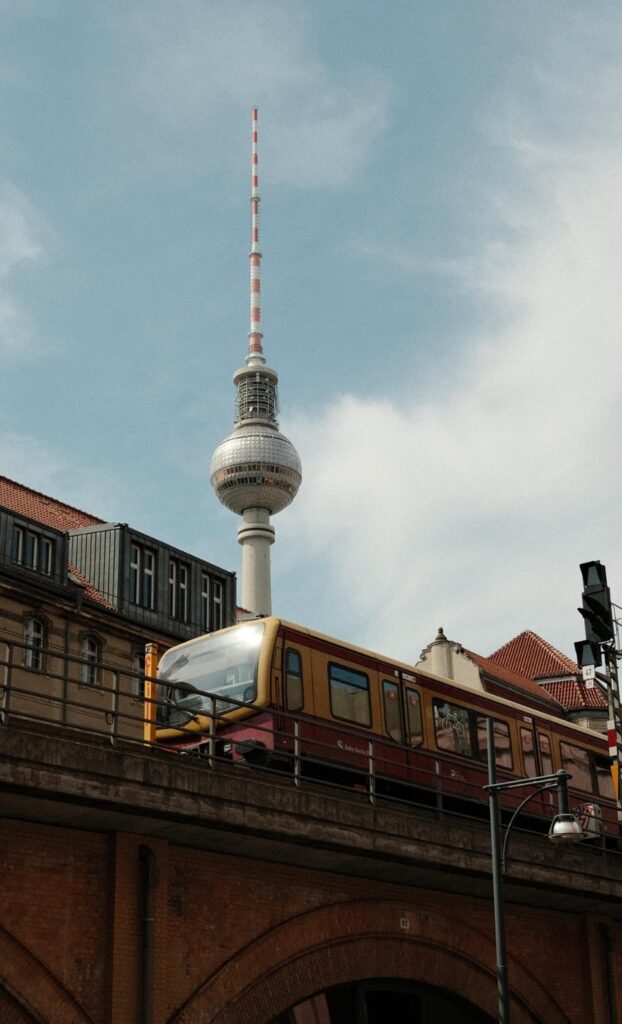
The flights are faster, but also more expensive. There is comfort and limited coverage in some areas through train travel. The buses are the most time consuming but also the cheapest.
Every approach comes with its pros and cons, contingent upon your budget and schedule.
Intercity travel is not easy in North America due to long distances. Some cities are thousands of kilometers apart. If you do the wrong choice of transport it can cost you more and cut the time at matches.
This Article describes each of the transport methods in detail. It enables you to make comparisons between real costs, travel time and comfort to create a smart World Cup travel plan.
1.Flights Between Host Cities: Fast but Expensive
- Due to the distance between cities in North America, air travel is the most common mode of transport between World Cup 2026 host cities. The benefits of air travel are increased cost and time.
- The general price of domestic flights in the USA is between 80 USD to 300 USD, depending on the distance traveled and the time of booking. The prices can go up during the World Cup season as there is a high demand for it.
- There are regular and quick flights to a number of major cities such as New York, Dallas, Los Angeles and Miami. Flight time is typically 1-4 hours, and is perfect for match schedules with minimal time to travel.
- There are also hidden fees, such as airline baggage charges, seat assignments and airport transfers that have to be taken into account, however. Long wait times at the airport for check-in are a factor in the budget traveler’s calculations, as are security delays.
- Flights are ideal for fans looking to attend matches in various regions in a flash, with a flexible budget.
2.Train Travel in North America: Limited but Comfortable
- Unlike in Europe, train travel in North America is less available, but it is still a significant mode of transportation for World Cup 2026 travel. Amtrak is the key rail company in the United States. It links the key cities of New York, Washington D.C., Chicago, and Boston. Tickets typically cost between $30 and $150, depending on the distance and class.
- Trains provide comfortable seating, greater room for the legs, and the beauty of different travel routes. They don’t have as many stress points as airports and are more convenient for traveling from one city center to another.
- But there are no trains from each World Cup host city to each other. This limits their usefulness for long distance travel across the USA.
- Train travel is best suited for the northeastern cities, which have good connections and are closer together.
3.Bus Travel: Cheapest Option for Budget Fans
- Between some of the World Cup 2026 host cities, buses are the cheapest mode of transport. Greyhound and Flex Bus are some of the more popular companies in the USA that provide extensive networks.
- The bus is the cheapest way of travelling long distances and its ticket price is typically between 20 USD and 80 USD.
- Many cities are not served by direct train lines, but are linked to others by bus service. These are helpful to budget travelers who are looking to save money.
- But bus journey is much longer. Rides range from 4 hours to more than 12 hours depending on the distance. The comfort level is less than on trains and planes.
- Though the trip will take longer, buses are an excellent choice for fans that want to save money over speed.
4.Comparing Travel Time vs Cost Efficiency
- There are trade-offs between time and cost in each means of transportation. The most expensive, but fastest method of travel is by plane. Trains are comfortable and medium speed, but are not widely available.
- The slowest and cheapest are the buses. For instance, two hours for a flight, six hours for a train, and 10 hours for a bus between similar cities. Budget travelers will combine transportation methods if schedules align. If time is the issue then fast travel is employed, if it is a long time between matches then the cheaper option is.
- It is important to make the right combination in order to control the budget and attendance.
5.Hidden Costs of Intercity Travel
- The hidden costs to traveling between World Cup host cities are more than just ticket costs. Flights cover luggage, airport transfers and meal charges.
- Routes may be limited for trains and may require extra transfers to get to the destination. Riding in a taxi to and from terminals may be necessary for buses.
- Hotels in and around transportation centers tend to be more costly. Last minute bookings also raise the costs. If not planned correctly, these hidden expenses can cause an increase of 20-40% in your travel budget.
- Smart travelers always consider the overall cost of door to door travel and never just ticket price.
- Best Travel Strategy for World Cup Fans
- The way to travel is determined by your budget and match schedule. If you have a ton of cash on hand, travel by plane is the quickest and most flexible choice.
- Trains are best in areas that are connected, for comfort and moderate cost. Take buses if you are looking for a cheap option.
- Residents often use all three of these options. They, for instance, travel by plane for long distance travel, and bus or train for short travel to nearby cities.
- Any travelling knowledge gained in advance will save money and also prevent any last-minute price hikes.
6.Smart Planning Tips to Save Money
- With smart planning, the travel expenses for World Cup 2026 can be cut significantly. Book tickets in advance to get lower ticket rates. Don’t travel during busy game match times.
- As much as possible, select host cities in the same geographical area. Don’t over pack as you’ll incur baggage charges. Compare prices using travel apps.
- Be flexible on dates to get lower priced transport. If you plan your World Cup trip in a smart way and choose the correct transport method, you can save hundreds of dollars.
FAQs
What is the cheapest way to travel between World Cup cities?
Buses are usually the cheapest option for most routes.
Are flights necessary for World Cup 2026 travel?
Yes, for long distances flights are often required due to large geography.
Are trains available between all host cities?
No, train coverage is limited in North America.
How much does intercity travel cost on average?
It can range from 20 USD to 300 USD depending on transport type.
What is the fastest travel option?
Flights are the fastest option between cities.
Conclusion
Planning is vital when it comes to getting from one World Cup 2026 host city to another. Flights are fast, trains are comfortable, buses are cheap.
There is no one right answer. This is something that will vary depending on your budget, your time, and your match schedule. Many fans take a combination of all 3 to get the best of both worlds.
The World Cup experience can be enjoyed without spending too much money or missing out on key matches with some careful planning, early booking and route optimization.