How to Use Public Transport to Reach World Cup 2026 Stadiums (City by City Guide)
Millions of football fans will be using public transport to get to the FIFA World Cup 2026 in the United States, Canada and Mexico.
Trains, metros, buses and shuttle networks will become important elements in efficiently transporting fans to stadiums, where heavy traffic congestion will be expected in stadium cities.
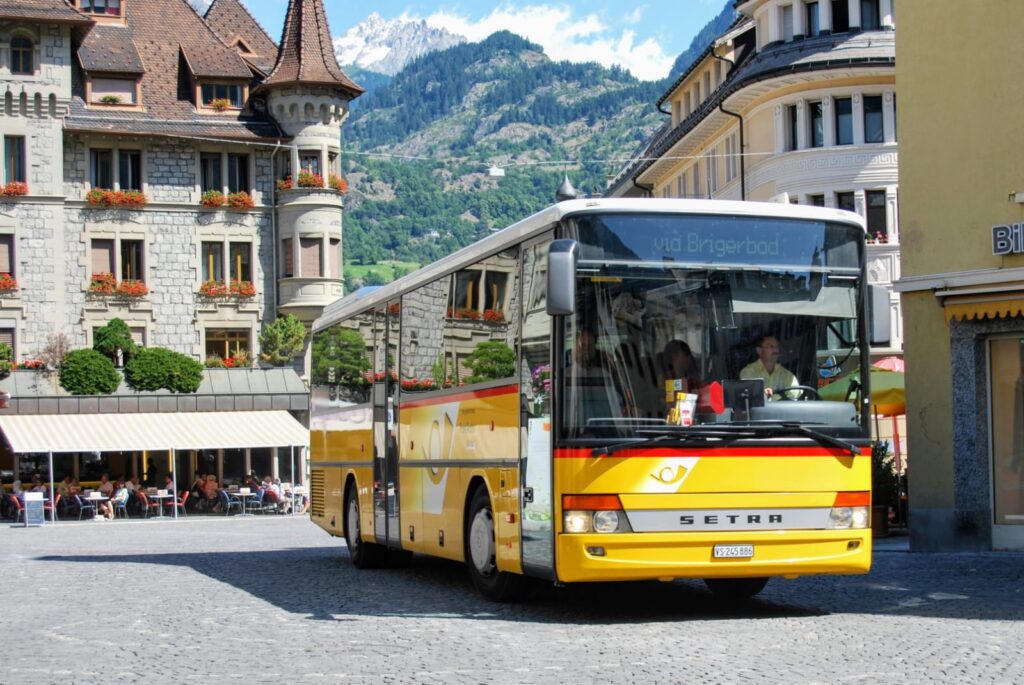
During match days, the frequency of service will be raised, hours of operation extended and special service routes between the airport, hotel and stadium set up in all host cities.
The public transport is also the least expensive and green mode of transport for tourists. Stadiums in major cities are typically next to a metro or rail station and within walking distance.
Visitors to the stadiums will be subjected to security screening at stations and regulated access at the stadium areas. Please plan ahead as routes may change on match days.
Official maps, fan guides and mobile apps will get a much-needed boost. The organizing bodies of the FIFA World Cup’s are coordinating with the local transport authorities to ensure that there is a smooth flow between cities and stadiums.
Expect a high demand for travelers, particularly 2-3 hours prior to kickoff. It is strongly recommended to arrive at the workplace early to avoid delaying or crowding.
New York City and East Coast Stadium Transport Guide
- New York City will be one of the hottest destinations for World Cup 2026. The Metropolitan Transportation Authority’s subway system will play a key role in serving fans as they travel to stadium areas.
- It is the quickest way to get to match venues, and also connects Manhattan, Queens, Brooklyn and the Bronx. To enter the stadium, supporters are expected to take the trains that lead into the city center and then change for shuttle buses that are offered on match days.
- AirTran and bus service between JFK and LaGuardia airports and the city make it easy for international visitors to get around. There is a lot of traffic congestion in New York so taxis and private cars are not recommended.
- It is common for people to walk from the subway to stadium zones – there will be signs in many languages. There will be security screening at primary transfer locations.
- The system is working continuously but has higher frequency during peak events. To prevent delays, routes must be planned ahead.
Los Angeles Stadium Transport Guide
- World Cup matches will be served by a mix of Metro Rail, buses and special shuttles in Los Angeles. Subway and light rail lines are part of the LA Metro system to link the city’s downtown, Hollywood, Santa Monica and surrounding areas.
- Special trains and shuttle buses will likely be provided to and from major transit sites to stadiums. The airport is linked by bus and rail, which facilitates travel from the airport to the central parts of the city.
- There is, however, a lot of road traffic in LA, which means that the public transport is much quicker than car traffic on match days. Fans should use Metro apps for real time information and route planning.
- Nearby parking will be limited and on game days traffic restrictions will be in effect. Walking from transit hubs to stadium gates is expected and there will be pedestrianized walkways and security checkpoints.
Mexico City Stadium Transport Guide
- Among the host cities for the World Cup, Mexico City has one of the most cost-effective and efficient public transit systems. The Metro is very large and has several lines that link residential districts, airports, and stadium districts.
- In addition, fans can take advantage of the bus rapid transit service Metrobus, which has its own lanes and does not have to contend with traffic. Special fan buses will run from central points to stadium gates on game days.
- Tourists can arrive to Mexico City International Airport by metro and taxi. It’s a system that’s used heavily day-to-day, so there will be crowd control issues during World Cup matches.
- There is heavy traffic on the stations, but regular service is expected. Tickets are not expensive and electronic payment methods are widely in use. Signage will be put in place for international fans to easily navigate the system, both in Spanish and English.
Toronto Stadium Transport Guide
- The Toronto Transit Commission’s network and regional rail service will be vital to Toronto’s future. Subway, streetcars and buses serve stadium areas.
- Regional trains will connect to the airport via Union Station. Travelers from Toronto Pearson International Airport can take express trains or shuttle buses to get to downtown areas.
- Further services will be provided on match days to minimize waiting periods. Ways to walk from the stations to the stadiums will be designated. Generally reliable system, but if travelling during peak crowds, please make your travel plans early to avoid disappointment in Toronto.
- Digital transit apps will keep users up to date and informed on the changes of routes. Security may be put in place at key transfer points to keep crowds safe.
Dallas and Central USA Stadium Transport Guide
- Bus lines, light rail and park-and-ride facilities will be critical for stadium cities like Dallas in the central part of the United States. Dallas Area Rapid Transit: Rail and bus transportation between downtown, suburbs and airport locations.
- Dallas Fort Worth International Airport has rail and shuttle service to stadium areas for fans. Unlike older cities, Dallas has more car oriented infrastructure, so special World Cup shuttle services will be critical.
- Authorities will limit private-vehicle traffic in areas around stadiums on game days. Park and ride systems will enable fans to park outside of the central area and finish their trip by bus. It is advisable to leave early as travel times may vary with traffic.
San Francisco and West Coast Transit Guide
- BART, Muni buses, and regional rail services will be key in and around SF. BART links the airport, downtown, and surrounding cities and is the quickest mode of transportation for tourists.
- There are direct trains from San Francisco International Airport to the city center. Shuttle runs will probably run from the stations to the areas of the stadium on match days.
- Walking is another popular mode of transportation in the city, as it is relatively small. Rail systems are the quickest method of transportation, followed by cable cars and local buses.
- Prior to kickoff, fans can look forward to heavy traffic and trains. It is essential to plan on routes ahead of time to avoid delays.
Final Tips for Using Public Transport During World Cup 2026
- There will be no other ways to travel to the World Cup stadiums in all host cities apart from public transport except that it will be the safest and the most efficient means of travel.
- Never go anywhere without planning a route. Please show up 2-3 hours before the match so as not to create bottlenecks. Follow official transit apps for real-time information and service changes.
- Have ticket or travel card at hand for easy entry. Obey security guidelines at stations and stadium areas. If possible, try not to exit from the range of activity during the peak rush period directly after games.
- Keep groups together for safety, obey the English and local language signs. Bring water, snacks and portable chargers when travelling long times. Follow local transport regulations and crowd control measures.
FAQs
Q1: What is the best transport for World Cup 2026 stadiums
Public transport such as metro, rail, and shuttle buses is the best option.
Q2: Will special buses run during World Cup matches
Yes, all host cities plan dedicated fan shuttle services.
Q3: Is public transport safe for tourists
Yes, it is safe and widely used, especially during major events.
Q4: Should I book transport tickets in advance
Some cities may require advance booking for special services.
Conclusion
During World Cup 2026, public transport will be a key component in facilitating the movement of fans. They vary from city to city, but the aim is always to link efficiently airports, hotels and stadiums.
Good preparation will ensure a wellbeing match day event. When traveling by train, knowledge of routes, timings and station connections will help save time and prevent delays.
Cities are funding its upgraded transit infrastructure, boosting transit frequencies, and creating specific fan services to accommodate millions of fans.
Cities are investing in improved transit capacity, higher frequencies, and special fan services for millions of fans. This will allow users of public transport to get to the stadium ahead of time, particularly when travelling by car.
Stress during peak match hours are less when there is good preparation. It is advisable to read the map of the city in advance and find out what the closest station to your hotel is.
Have alternate routes to ensure service changes and delays. During match days, adhere to the directions of the crowd management team, and stay away from the busiest time to leave.
It is better to stay for a bit longer after the game as it will make your way back smoother. The public transport system must be able to accommodate many users, but it is also crucial that people display good conduct during their commute.
Visitors should also be vigilant of the rules of safety in every city. Ensure personal possessions are kept out of sight in busy trains and stations.
Take only official tickets and do not consider offers that have not been verified. Arrange a meeting place when travelling with family in case someone gets separated. Have an emergency contact and charge your cell phone all day.
World Cup 2026 will generate one of the world’s biggest sports travel experiences. This movement will be based on the backbone of public transport.
Those who are making travel arrangements ahead of time, taking small steps to smart travel and following the transit systems will find it easy to travel from city centre to stadium seats without much hassle.