Hiking is one of the most gratifying outdoor activities and the difference between an experience that is an easy experience and a struggle lies on being prepared.
Novice hikers leave believing that they must purchase all the outdoor equipment available when the truth is they only require a very few key items, which will enable them to hike comfortably and safely.
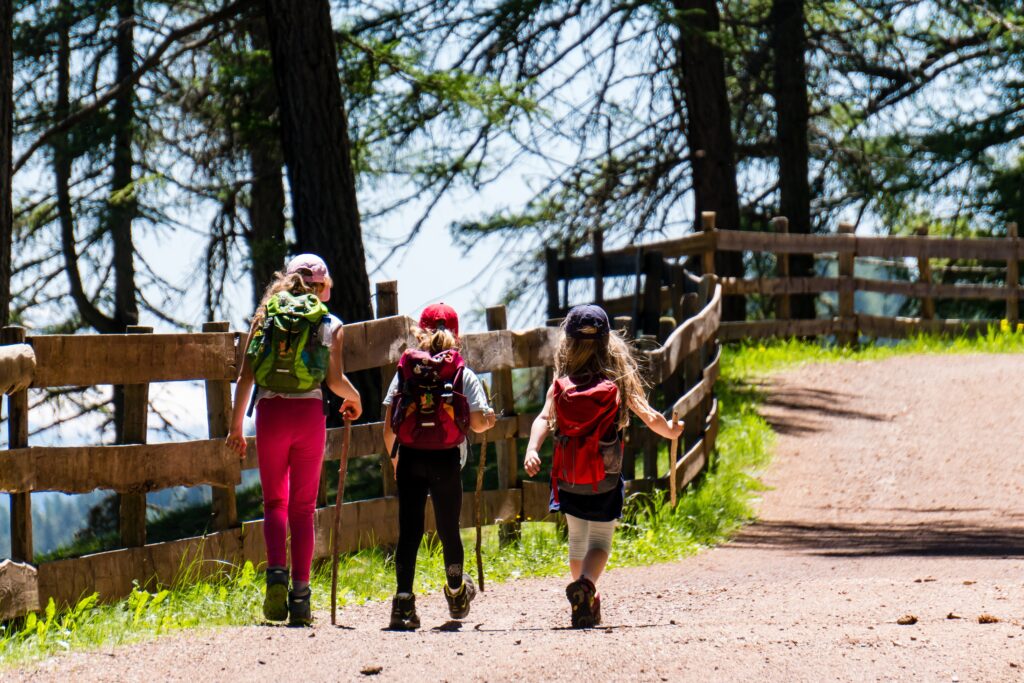
The hiking gears below can make sure that you are prepared to not only adapt to the shifting weather and the condition of the trail conditions but also to emergencies without having to carry along imbalanced weight.
The primary group of necessities is clothes. It is also critical to wear breathable and moisture-wicking anything since cotton catches sweat and makes it dry very slowly.
The bottom layer will make sure you feel comfortable, the middle layer will ensure that you are insulated and the outer shell layer will save you when it pours or there is wind.
This basic system works out fine in most cases when day hikes are considered helping you to adjust to the changing temperatures.
Then, addresses finders are essential. Although hiking on a local trail that you have taken before, a map or a trail finding application, such as All Trails, can help you not go astray.
Paper maps remain helpful as phone batteries can run out or signal may be lost hence it is always prudent to carry both.
Hydration is another requirement. Dehydration has the potential of making a nice hiking experience a life-threatening scenario.
Take a liter of two liters of water depending on the difficulty and weather of the trail.
Other hikers love using hydration bladders, which are placed in the backpack to be sipped, and others bring reusable water bottles.
Water filters or purification tablets will also be helpful in longer swellings when you may need to fill up at stream.
Food is equally important. Living snacks including trail mix, granola bars and dried fruits can be eaten because they have a lot of energy but do not occupy larger space.
During longer intervals, sandwiches or energy gels may serve to keep you energized.
You should always carry more on your pack than you anticipate, because there is always a delay because nearly all the time there is an increase in price that induces an increase in time.
The items of safety should always be present. A pocket first aid kit is required consisting of bandages, antiseptic wipes and blister treatment.
You can be sure that you can see the way back because you carry a headlamp/ flashlight and you are not beyond the expected time of your hiking to start.
There is a multi tool, emergency blanket and a whistle which provide additional security.
Last, you must have footwear. Purchasing the appropriate coping hiking shoes or boots could stop blistering and injury.
Your selection should be based on comfort, grip and waterproofing.
Simply put, clothing, navigation devices, hydration, food, safety equipment and correct footwear constitute the basics of hiking gear.
Such things put you in the ready state of affairs in case of most scenarios and so lighten up your backpack.
The cost of hiking is not high, when it comes to high quality gear; however, it can be seen that the preparation is thought through.
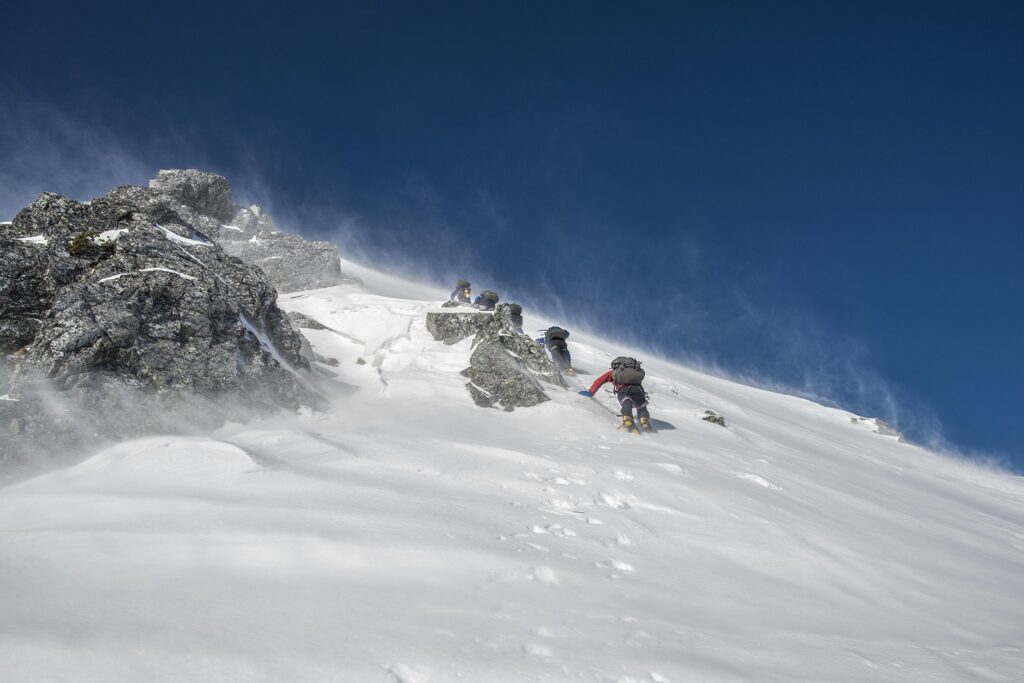
Choosing the Right Hiking Backpack for Your Journey
- Unlike the rest, a hiking backpack is one of the most crucial materials in that it holds the rest.
- It all depends on how much the hike will last you, the kind of terrain you are traveling and finally your comfort.
- The improper backpack may either result in back pain, sore shoulders, or undeserved frustration, whereas the appropriate king may ensure your way goes better and is more pleasant.
- Capacity is the first one. A backpack of 15 to 30 liters is normally sufficient in short hikes during the day. It is able to accommodate water, snacks, first aid kit and a light jacket.
- When going on a trip with an overnight or multi-day stay, you would require 40 to 70 liters of fuel depending on the amount of gear you are carrying.
- Larger packs are used to carry sleeping bags, tents, cooking utensils and additional food. By using the appropriate size, you will not end up being overloaded or under-loaded.
- Fit is equally important. A proper hiking backpack must have an approximation of your torso length rather than height.
- There are numerous brands which offer interchangeable straps and harners to fit the varieties of body shapes.
- The reason you need a hip belt is that this belt helps redistribute the weight of your body, putting it on your hips instead of your shoulders.
- Added comfort under longer hikes is on the padded shoulder straps and breathable back panels.
- It is a matter of organization features. Find out backpacks with various pockets and holes, water bottle pockets, and external TAS with trekking poles or sleeping bag.
- The use of hydration compatible backpacks is very prevalent given the fact that these can be used alongside a water bladder with an attached drinking tube.
- This implies that you need not pause to drink water. There are also packs that have rain covers to rain your stuff in case of sudden rains.
- Another one is durability. Backpacks must be manufactured with materials with lower water resistance such as nylon or polyester of tough material. Zippers and stitching are fortified so that the bag can be on the rough trails.
- You can invest in a waterproofed sack pack or a dehydrate bag liner in case you plan to hike in the wet terrains.
- Brand and price is excellent, however it should start with comfort. Household brands, such as Osprey, Deuter, Gregory, and REI Co-op, have warrantied packs.
- It is best to try on backpacks before purchasing them since you will know their load feel. Long-term durability also can be learnt in terms of online reviews.
- What one should do when choosing the right backpack is strike a balance between the capacity, comfort, and durability.
- With investment in a pack to go with your needs, you will be sure that each hike becomes more structured and stress-free.
- A nice backpack is not merely a designation of a storage, but of a partner with you during the trail.
Trekking Poles, Walking Sticks, and Safety Gear
- The topic of wearing trekking poles and walking sticks is frequently neglected when evaluating a potential influence on your hiking experience. These aids give stability, help in taking off some of the heavy load on your joints, and also in ascending steep downhill walks.
- In conjunction with the necessary safety equipment, they help you to be safe and secure in the trail.
- Trekking poles are light weight adjustable poles typically constructed of aluminum or carbon fiber.
- They are intended to assist in balance especially the uneven ground. Working with poles spreads the weight through your arms and legs and this alleviates pressure on your knees.
- This is particularly valuable when going down steep inclines as the effect of joint impact is maximum.
- Trekking poles have been found to culturally alleviate up to 25 percent of the knee stress, thus are a popular compensation among both young and elderly hikers.
- The simplest one is walking sticks. Others may be wooden and hand made whereas others are supportable metal poles.
- They are not as technical yet, nevertheless, helpful with stability. Most beginner hikers will start with one walking stick, and then upgrade to trekking poles.
- Poles or sticks When selecting poles or sticks, adjustability and grip must be taken into account.
- The poles are adjustable in size so that when climbing uphill, you can make them shorter and when going downhill, the poles can be lengthened. Cork, foam, or rubber handles are more typical as they can be comfortable and alleviate fatigue of hands.
- The shock-absorbing models are useful in individuals who have sensitive joints.
- Safety equipment is necessary along with poles. You need to have a little first aid kit in your backpack.
- Add bandages, antiseptic, blister patches as well as pain pills. A whistling can be used to call in case of need.
- It helps to carry a headlamp or flashlight so that you can find your way in the dark even when you need to hike a little more than originally planned. Tools are multi-purpose and come with knives, scissors, and screwdrivers, how handy they are, both during an emergency and in everyday things such as opening packages.
- It is also important in terms of navigation safety. It is always best to have a map and a compass, despite GPS apps.
- Bad technology will happen, but underlying tools almost never do. As emergency blankets are light, they are life saving in case you get into cold situations.
- There is also one more, personal safety to think of. When you hike alone, one use of trekking poles can be your defensive measures to wild animals. In certain areas, pepper spray or bear spray might be called upon. Reflective clothing or other bright colored clothes will help you to be seen in case of a search and rescue situation.
- Adequate climbing equipment like trekking poles and safety equipment are not mandated comforts.
- They are investments in your convenience, and safety. These items are helpful by allowing you to minimize risks and enjoy and safeen your hiking experience.
Best Hiking Shoes: Merrell Moab, Salomon X Ultra, Keen Targhee, Adidas Terrex
- The most significant component of your hiking clothes is the right shoes. Any low quality shoe might create blisters and sore feet or spoil a vacation. Hiking shoes offer protection, support, and traction that normal sneakers are not capable of offering.
- Merrell Moab, Salomon X Ultra, Keen Targhee, and Adidas Terrex are some of the finest hiking shoe models on the market now.
- The brands have different characteristics that are available depending on the type of hiking.
- Mother of All Boots Merrell Moab is famous and referred to as the mother of all boots. It is user-friendly, comfortable and cheap.
- The Moab is cushion-loving and it has a waterproof and a non-waterproof package. Its traction is secure and it is comfortable on day hikes and medium-grade trails no need to see into the bag.
- The reason why many beginners settle on this model is the fact that it does not take a lot of time to actually break-in.
- The Salomon X Ultra is a fast and nimble sporting shoe that is made lightweight.
- It is very popular among hikers seeking the comfort of trail running shoes in a hiking style.
- The X Ultra is well gripped particularly when on the slippery or rocky terrain. It has an improved chassis that is not weight-adding.
- This is a quick-hike kind of shoe that suits either speedy uphill hiking or when it is technical and control is vital.
- Another candidate is the Keen Targhee. It is sturdy, waterproofed and comfortable.
- Targhee features a broad toe box contribute to the suitability of the shoe to hikers whose feet are broader.
- Its coarse sole is able to deal with mud and dirt and rain. It is a great all day walking hill climbing shoe that is very comfortable and durable.
- Adidas Terrex is a performance / style brand. These shoes are very light but tough with Continental rubber outsoles that significantly boost their grip power.
- They resemble sport shoes frequently, and are a favourite among urban hikers not wanting to conform.
- The Terrex series is utilized when a day hike, light backpacking and in mixed routes take place.
- Fits are the most important considerations when selecting hiking shoes. Wear hiking socks and make sure that there is space between the toes and the shoe.
- Introduction of them should be done by brief walks, prior to long walks. Waterproof shoes will dry use under wet conditions but in hot areas, shoes which are not waterproof are easier to breathe.
- All these brands have models that introduce comfort, protection and performance.
- Choosing the appropriate pair you avoid injuries and enjoy your hiking life. Shoes are not an accessory, this is your starting point on the trail.
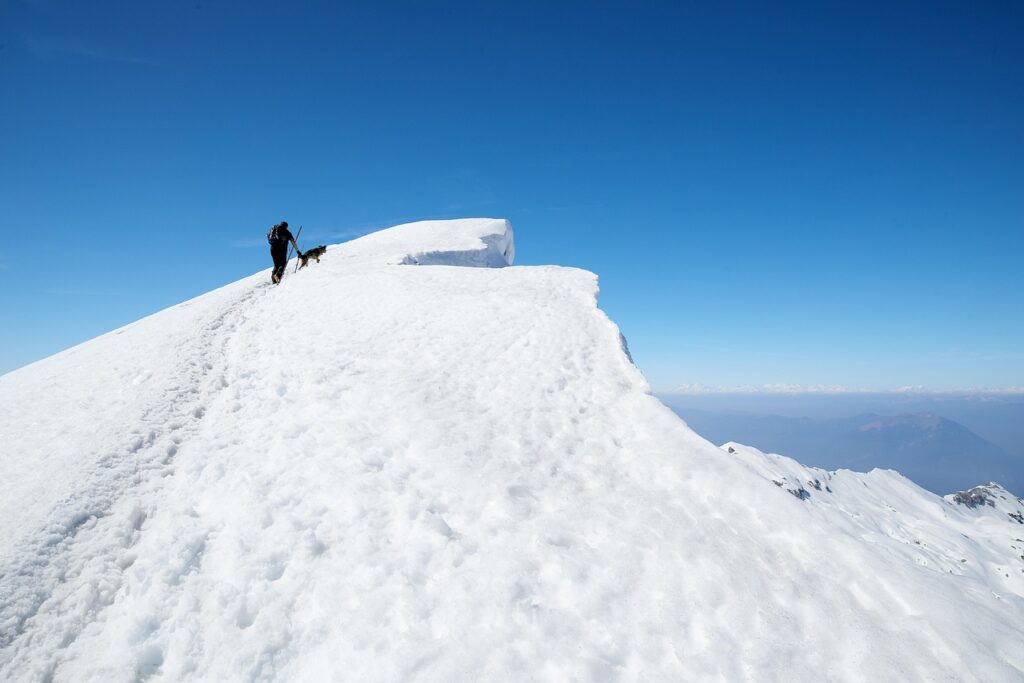
Hiking Accessories: Water Bottles, Gloves, GPS, and Dog Gear
- Compared to backpacks and sneakers, accessories might not be of top priority but they increase the comfort, organization, and safety of hiking.
- The right accessories might turn your experience in the trail upside down, by making sure you are always hydrated, safe and ready to face any kind of story.
- Water bottles are essential. Hydration is also a very important factor, and the reusable bottle such as Nalgene or insulated stainless steel is a long-lasting product, sturdy, and green.
- Other hikers go with hydration bladders that enable people to be able to take sips when walking without having to halt.
- In the case of long hikes, water filters or purification pills can highlight the fact that it is safe to refill it through natural resources.
- Gloves can be quickly neglected yet they have a variety of uses. Lightweight gloves are recommended to cushion hands against cold mornings and padded gloves are used in application with a trekking pole.
- Gloves must be a good pair of waterproofs. Gloves also cushion blisters or scrapes in case of scrambling on rocks even in mild weather conditions.
- GPS devices are essential to navigation. Smart phone applications can be handy, but specific GPS dashboard plays are more dependable in the countryside where the signal is weak.
- They come with detailed maps, can track your path, and most of them have emergency communicative capabilities. Hikers have also added personal locator beacons (PLB) to the category of safety equipment.
- Dog gear is very necessary when the hiker has pets. The dogs require the use of harness, collapsible water bowls and even personal portions of food. Dog booties serve to ensure that the paws are kept clean and safe when walking on hot pavement, rocky or snowy trails.
- Hiking leases ensure the safety of pets whilst allowing them to explore. Disposing of waste in bags means that you do not leave any trace of anyone behind and leave trails clean.
- Other handy amenities are sun protection hats, sunglasses, and trekking gaiters so as to keep dirt and stones out of the shoes.
- Even insect repellant and sunscreen are a small yet essential product. Lightweight seating pads are also carried by many hikers in order to take a break.
- Balance is the key to accessories. A lot of them can be heavy, whereas the correct ones increase a level of comfort and protection.
- Every accessories ought to have something to do. Choose wisely, and your hike is not so strenuous and boring.
FAQs
- What are the essential hiking gear items for beginners?
The essential hiking gear items for beginners include a comfortable backpack, hiking shoes or boots, water bottle or hydration pack, weather-appropriate clothing, snacks, map or GPS, and a basic first aid kit.
2. What should I pack for a day hike?
For a day hike, you should pack water, snacks, sunscreen, a hat, a lightweight jacket, a map or phone GPS, a small first aid kit, and a fully charged phone.
3. What is the most important hiking gear item?
The most important hiking gear item is a good pair of hiking boots or shoes because they provide support, grip, and protection on different terrains.
4. Do I need expensive gear for hiking?
No, you do not need expensive gear for hiking. You only need reliable, comfortable, and weather-appropriate essentials. Budget-friendly gear works well for most beginner and casual hikes.
5. What type of backpack is best for hiking?
The best hiking backpack depends on trip length. A 20–30L backpack is ideal for day hikes, while 40–70L backpacks are better for overnight or multi-day hikes.
6. What clothes should I wear for hiking?
You should wear moisture-wicking base layers, breathable clothing, and weather-resistant outer layers. Avoid cotton because it retains moisture and dries slowly.
7. What safety gear is needed for hiking?
Important hiking safety gear includes a first aid kit, flashlight or headlamp, whistle, map or GPS device, emergency blanket, and extra food and water.
8. Is a GPS necessary for hiking?
A GPS or offline map app is highly recommended for hiking, especially in remote areas, as it helps with navigation and improves safety.
9. What food should I take on a hike?
The best hiking foods include energy bars, nuts, trail mix, fruits, sandwiches, and other lightweight, high-energy snacks that are easy to carry.
10. What gear do I need for hiking in cold weather?
For cold weather hiking, you need thermal layers, insulated jacket, waterproof outer shell, gloves, warm socks, hat, and sturdy waterproof boots.
Pingback: Best Camping Spots & Campgrounds Near You USA Edition