Traveling Across the USA: Costs, Experiences & Honest Tips
Any foreigner visiting the United States will be surprised with the sightseeing tour they can have. The U.S. is expansive, and 50 states are diverse in terms of culture, topography, weather, and the way of life. The size of the country is astonishing to most first-time visitors.
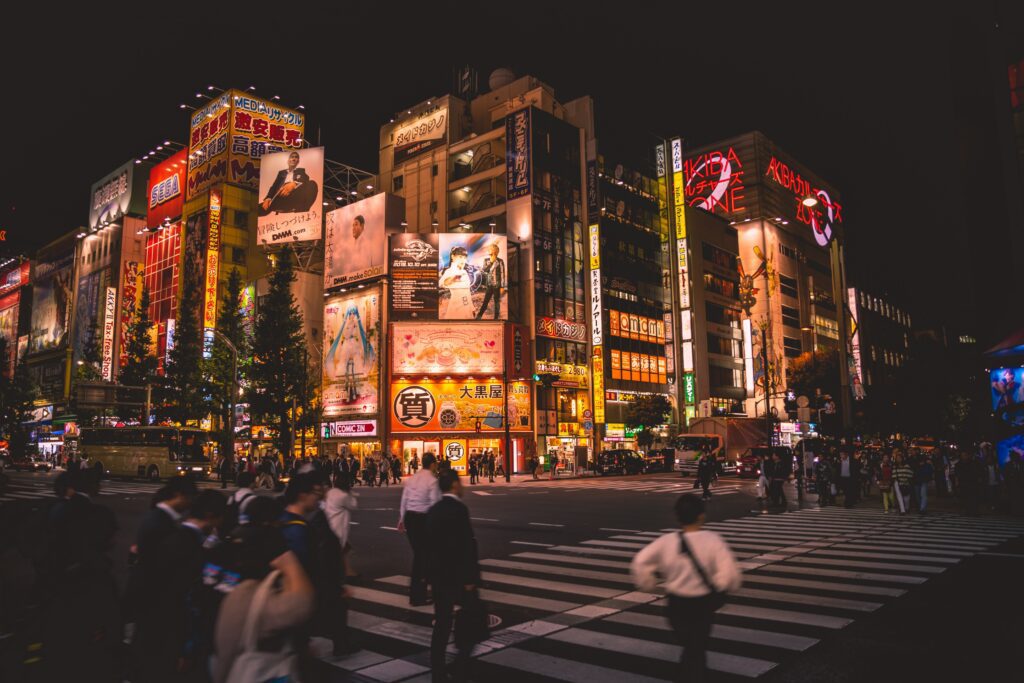
Travelling along the coastline of the country, one will soon discover that the distances between cities are considerably greater than anticipated. And, to take an example, a trip between New York and Los Angeles is more than 2,400 miles, and a city-to-city journey may take hours.
People, food, architecture, and the landscape are very diverse
- The cities such as New York are busy and congested but Midwestern towns are laid-back and slow.
- Southern states are different in terms of their own customs, dialects and lifestyle which is quite different as compared to the West coast.
- The interstate travel also reveals disparities in infrastructure, social amenities as well as road conditions.
- Prices of gas, parking regulations and transportation depend on the area and it might influence the routes and budgets of the traveler. Also, variations in climatic conditions may be radical.
- Freezing winters may occur in the northern states whereas even during winter, southern states will be warm.
- Parks, small towns and hidden gems give an experience that one can hardly find in regular travel guides.
- You can also observe cultural differences, i.e., regional accents, traditions, and social norms.
- A cross-country trip can not be planned simply by booking of flights or hotels.
- It is vital to research the states, calculate the distances, and plan the budget uncertainties. The experience of moving around the U.S. is one that gives endless surprises, breaks all the assumptions, opens the mind and makes the journey memorable.
Cultural Differences Between States
- Among the most remarkable events of the tour in the U.S. is the fact that culture varies significantly in each state. Although a lot of the world thinks the American culture is homogenous, every state has its way of being, being conditioned by history, geography, and local virtues.
- As an illustration, the New England way of life is quite different as compared to life in the Deep South.
- The urban population is busy, very educated, and used to public transportation in such cities as Boston or Providence.
- Conversely, southern cities like Alabama or Mississippi are slower paced, older fashioned, and more hospitality-focused and traditions-oriented.
- The west coast, California, Oregon and Washington tend to have progressive attitudes, concern about the environment, casual way of life whereas Midwest culture is conservative and is more family oriented.
- You also find that there are variations in the modes of communication, with individuals in the north being less polite, whereas those in the south are polite by use of friendly words.
- The social practices like tipping, greetings and normal acceptable behavior in the society may differ.
- These differences are also represented in regional food culture, such as seafood foods in Northeast, or barbecue and soul food in the South.
- The culture is significant in the form of festivals, music, and sports. As an example, college towns can be full of arts and entertainment activities, whereas the rural areas can be centered on agriculture, domestic markets, and communal activities.
- These cultural differences have implications on travelers not only in daily interactions but also expectations of services, transportation and accommodation.
- The presence of such differences is an insight into the country and ensures that visitors go through different regions without disrespect or difficulty.
How People’s Lifestyle Changes State by State
- Crossing the borders between the states of the United States, one can immediately notice the differences in terms of lifestyle.
- Cities such as New York, Chicago or Los Angeles are extremely active in terms of lifestyle and work schedules, mode of transportation and overall social life are very hectic.
- The suburbs of such states as Pennsylvania or Virginia provide less rushed life, bigger houses, and more personal transportation.
- Southern states have a more casual lifestyle, as family meetings, communal activities, and religious occasions are highly emphasized.
- Activities in the outdoor differs depending on geography. Coastal states are popular with water sport and surfing and mountainous states such as Colorado and Utah with hiking, skiing, and outdoor adventure adventure participants.
- The fitness and health concerns also vary with some areas representing more gym memberships and organic food intake and others representing more conventional diets and local outreach activities. The education systems, the provision of services to the people, and access to technology affect the everyday activities particularly in the small towns, as opposed to the urban centers.
- The pattern of transportation is transformed significantly-it takes the form of high car dependency in some places and high walking rates in others coupled with cycling and transportation modes.
- Entertainment is also culturally based; music festivals, sporting events at colleges and local fairs are diverse. Even modes of shopping are different with luxury stores being concentrated in large cities and local shops in small towns.
- The awareness of these changes in lifestyle will benefit the traveler in knowing and appreciating the U.S. and as such, cross country travels can be more enjoyable and culturally rich.
Unexpected Costs and Expenses
- A trip through the U.S. can be quite expensive to an extent that even seasoned travelers are shocked. Other than flights and hotels, daily costs like food, fuel, tolls and parking are very rapid to mount.
- It is common that tourists do not plan wisely on how much they will spend at the attractions in terms of theme parks, museums, and tours.
- Most of the attractions market their tickets without taxes, service charges, or other add-ons such as guided tours, VIP access, or fast passes.
- Gasoline prices are very variable according to the state, time of the year, and the prevailing market prices.
- The journeying across the states will need a well thought-out fuel arrangement in order to prevent the unpleasant surprises because of the high costs in isolated places. The cost of accommodation is also changing drastically.
- The premium rates are applied by the hotels located close to major tourist sites, and airports especially during the holiday periods, or peak seasons.
- Travel off-season can also be savings, though the room availability can be low. Another reason is dining; it is more expensive to dine out in tourist attractions than touring suburbs.
- Even minor costs like coffee, bottled water or snacks are cumulative in long journeys. Other elements such as transportation such as car rentals, rideshares, and toll roads have to be budgeted.
- Travelers who expect to pay their base prices based on road tolls, parking charges, and charges depending on the specific cities may be surprised. Moreover, travellers tend to leave out travel insurance that is emergency important but expensive to the budget.
- This knowledge of these possible costs and pre-planning will help avoid financial pressures, have an easier time traveling, and help a tourist have a great time without being worried about spending too much on the trip.
Hidden Fees Travelers Often Miss
The U.S. travelers have budget surprises that are mainly caused by hidden fees. Most of the hotels impose the resort fees on top of the price advertised.
Airports impose fees of renting cars, carrying of luggage and facility charges. It is the practice of restaurants to add gratuity to large gatherings automatically, and there are service fees that are not very evident when placing an order via the Internet, through delivery services.
Others are pre-booked attractions that demand booked parking, guided tours or time-entry tickets that add cost to the attractions.
Car rentals can encompass charges on extra drivers, young driver charges or fuel plans. Depending on the state and city, a 50 dollar ticket or meal may be 5-10 more expensive.
Even a bus may need one to buy passes or to pay extra bus fares to take express routes. These are hidden costs that first time visitors fail to notice and the daily budget is over blown.
In advance monitoring possible fees and budgeting software can help to avoid surprises. Price comparison among providers, early booking, and knowledge of the regional regulations also minimizes the unforeseen costs.
When the travelers are ready of the secondary charges, they will have a good time spending the trip without having to worry about extra fees every moment.
Stunning Hidden Gems
Although significant tourist destinations such as New York, Los Angeles, and Miami are loved, the U.S is full of miracles that tourists do not know much about.
These small towns, countryside and natural parks can provide an experience that is not found in the tourist hot spots.
Traveling to some not so known places like the Badlands of South Dakota, the Great Sand Dunes of Colorado, or the small towns on the coast of Maine can offer amazing sights, low-key exploration, and low-priced experience.
Most of the local festivals, road trip attractions and historic sites in the regions are free or low cost, thus making them a good choice among budget-conscious travelers.
There are hiking, camping, and wildlife viewing opportunities in the national and state parks with little fees as compared to the urban parks. Taking road trips to these exotic locations ensures that the tourists explore the true spirit of every state, including local food and local music and art.
Traveling on the off-the-beaten-path also lowers the number of tourists present in one location, which ensures a more in-depth and intimate travel experience.
Small town locals are often hospitable and easy to get along with; offering more information and advice than the guidebooks.
The need to find some hidden treasures makes movement around U.S. more enjoyable and fulfilling, providing a life beyond the usual sightseeing process.
Places Off the Tourist Radar
Traveling to places outside the tourist map is a source of adventure to the U.S. traveling. Oregon and North Carolina have some of the most scenic coast lines towns with local seafood, and quaint neighborhoods.
In Tennessee or Utah, there are mountain areas with hiking trails, spectacular landscapes and outdoor activities that do not require attendance by much traffic. Small Midwestern towns are characterized by the old architecture, local fairs, and local food.
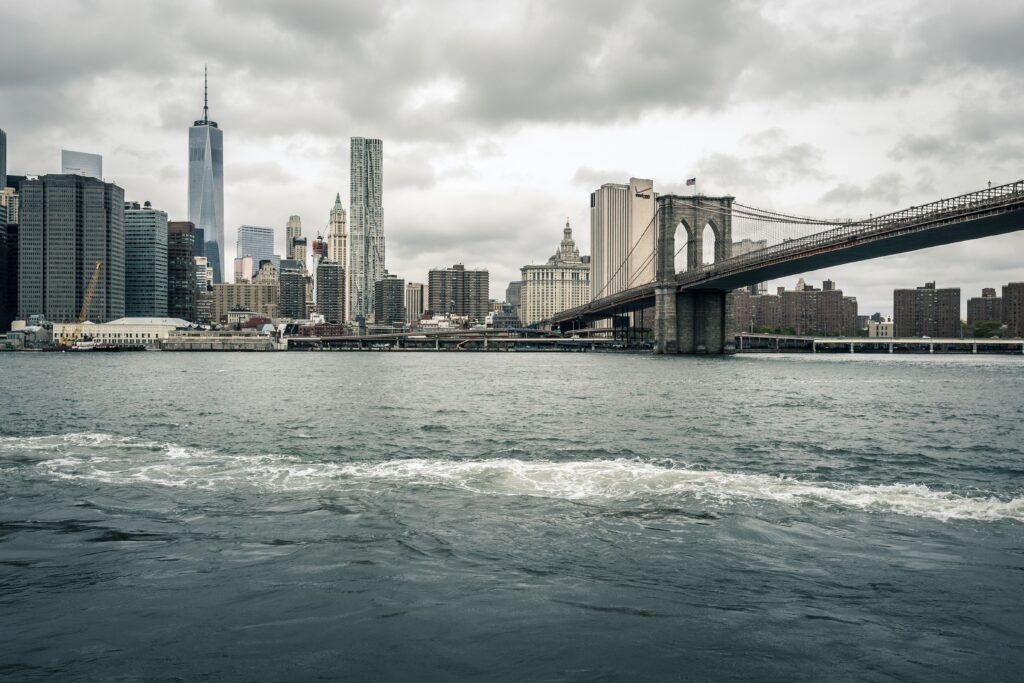
Going to the farmers markets or local festivals or road side attractions will enable a person to interact with the locals and experience the real culture. Another advantage of visiting the unknown gems is that it is usually cheaper than going to the large cities and offers more value depending on the amount of money spent.
These are less popular destinations, which can be easily explored with the help of road trips that have flexible itineraries.
In the case of local tourism, use of travel blogs, local tourism websites, or recommendations made by the locals identifies unique destinations. Off the radar destinations offer relaxation, adventure and cultural education which adds value to the entire travel experience.
Local Foods That Surprised Me
- Among the most pleasant surprises on travelling across the U.S. one can find the variety of local foods.
- Culinary traditions in individual regions are also unique and based on history, geography and culture.
- Traditional food in the South such as gumbo, jambalaya and barbecue are dishes that have been prepared in a rich taste and also have a slow cooking method. Seafood, lobster rolls and clam chowder are known to be a favourite in New England.
- The Midwest provides such hearty dishes as bratwurst, deep-dish pizza, and the comfort food classics.
- The west coast focuses on fresh fruits, organic food, and fusion food. Food trucks and street food in areas such as Los Angeles and Austin offer low priced but quality foods.
- The experience is supplemented by regional drinks like craft beers, sweet tea or local juices. It is not only fun but also possible to get to know the local culture, traditions, and lifestyle through sampling local foods.
Must-Try Dishes and Drinks
- Some of the food and beverages are outstanding. Crawfish boils or po-boys are a must in Louisiana. Hot dogs and Chicago deep-dish pizza are iconic to the city in terms of flavor.
- The avocado toast, fish tacos and fresh smoothies in California are part of local trends related to healthiness.
- Classic desserts are southernal sweet tea and peach cobbler. Regional craft beers are supplied by local breweries, whereas coffee culture in such cities as Seattle is outstanding.
- Having tried these delicacies, tourists will get to savor pure flavours that cannot be found elsewhere.
- Food can also be used as a means of getting in touch with people, with many of the small restaurants being in a family tradition.
- Tasting the local food adds more to the travelling experience and makes permanent impressions on the American culture.
Travel Tips I Learned on the Road
- Going through the U.S. is a learning experience that offers a lot in a practical way that one is not aware of until he or she gets to the country.
- It is imperative to plan feasible schedules using the distance as the basis since long-distance driving can be tiring. Early reservation of rooms saves money and eliminates the last minute rush.
- Travel apps make the process easier because of navigation, hotel reservations, and table availability recommendations.
- Being ready to weather changes including keeping a layer of clothes means a person is comfortable in various areas. Financial surprises are avoided by budgeting of the hidden expenses such as parking, taxes, and tips.
- Following local traditions and social behavior will enhance communication with locals. Plan flexibility will enable you to adjust to a delay, road closure or any new discoveries. Travel insurance and copying of important documents are good measures to secure and have serenity.
- All in all, being attentive to details, conducting research beforehand, and maintaining an open mind can make traveling internationally to different countries more pleasant.
How to Make Trips Smoother
- In order to make the trips smoother, make a flexible itinerary and make sure that the most significant destinations are included but there is a possibility of spontaneous exploration.
- Eat breaks and rest breaks on long drives. Keep in the car an emergency kit, water, snacks and maps.
- Study the local road regulations, speed limits and parking laws to evade fines. Follow local recommendations of where to eat, sightsee and hidden delights instead of having to depend on big guide books.
- Carry digital and printed confirmations, tickets and insurance details. When one packs well, he avoids discomfort experienced related to the climate of the area.
- Be mindful of rush hours, local holidays, and seasons when there are tourists in order to maximize on travel time.
- By taking these measures together, the stress levels are minimized and money will be saved and the total experience will become better and more memorable and culturally richer making the cross-country travel within the U.S. enjoyable, memorable and culturally rich.
Frequently Asked Questions
How is a cross-country trip planned best in the U.S.?
Get an itinerary depending on distance, good features and time spent travelling. Add rest stops, accommodation and flexibility of unforeseen delays.
What is the impact of the cultural difference on interstate travel?
Every state has its way of life, the way of communication and social norms. The knowledge of such variations enhances interactions and traveling experience.
What are the unforeseen expenses that I must be ready to pay?
Such expenses as airport charges, parking, Tolls, tips and taxes may bring more to your budget. Financial surprises can be avoided by planning in advance.
My question is where are the hidden gems in the U.S.?
Small towns, country, national and state parks, local festivals and roadside attractions provide different experiences to those found in big tourist destinations.
What are the foods that are must-try throughout the U.S.?
The regional delicacies are deep-dish pizza in Chicago, gumbo in Louisiana, lobster rolls in New England, fish tacos on the west coast and Southern sweet tea/peach cobbler.
What can I do to make long-distance driving more comfortable?
Schedule sensible day-to-day steps, have rest and drink lots of water, carry snacks. Make sure your car is dependable and is suitable to various climatic conditions.
What are the best ways of saving money when commuting in the U.S.?
Make a reservation, travel during low season, dine locally, visit free or low cost attractions and do research on hidden charges before spending money.