Famous Places Tourists in the U.S. Love but Locals Avoid
The US is a country that is full of global tourist attraction sites that attract millions of tourists annually. Without any short of iconic destinations, there is the bright lights of Times Square in New York that teem with people, and the grand canyon in Arizona.
Nevertheless, lots of these tourist places are not preferred by the locals who are familiar with them. It is not so attractive to visit these places because of the crowds, overcharged prices, and lengthy queues as well as commercial experiences offered to citizens who live in these places.
Popular American Destinations That Locals Tend to Skip
In a case such as Times Square, it is full of tourists nearly daily, there may be a lot of traffic, loud noise, and expensive meal services and locals would not want to go there without any reason.
- Likewise, Niagara Falls is visited by hundreds of thousands of tourists every year, but local people are usually interested in more secluded places to observe it or smaller natural sites on the territory.
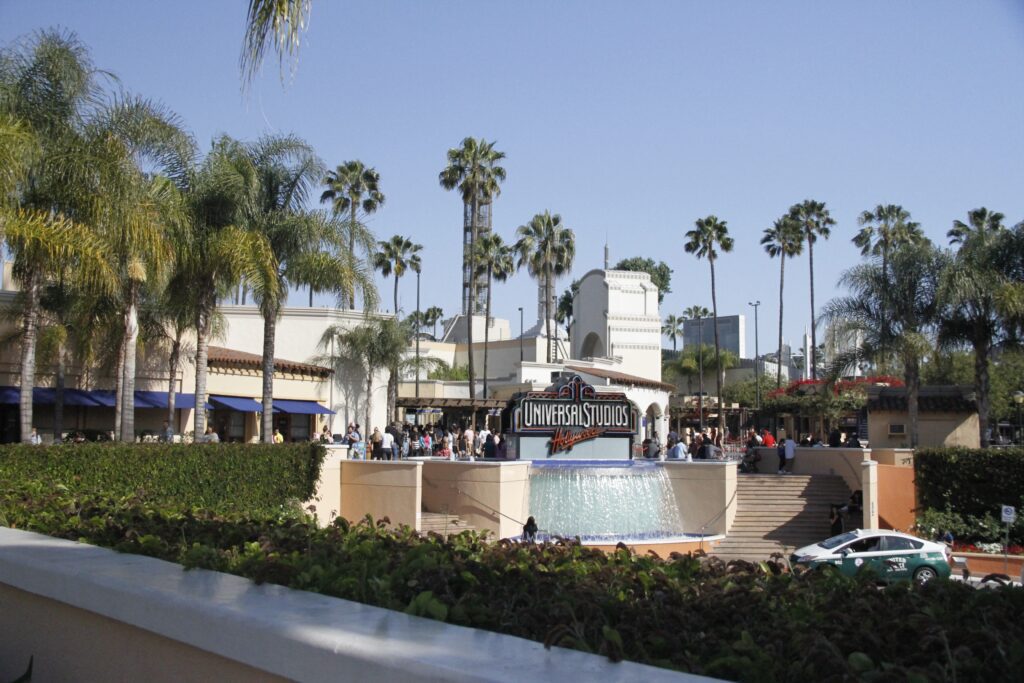
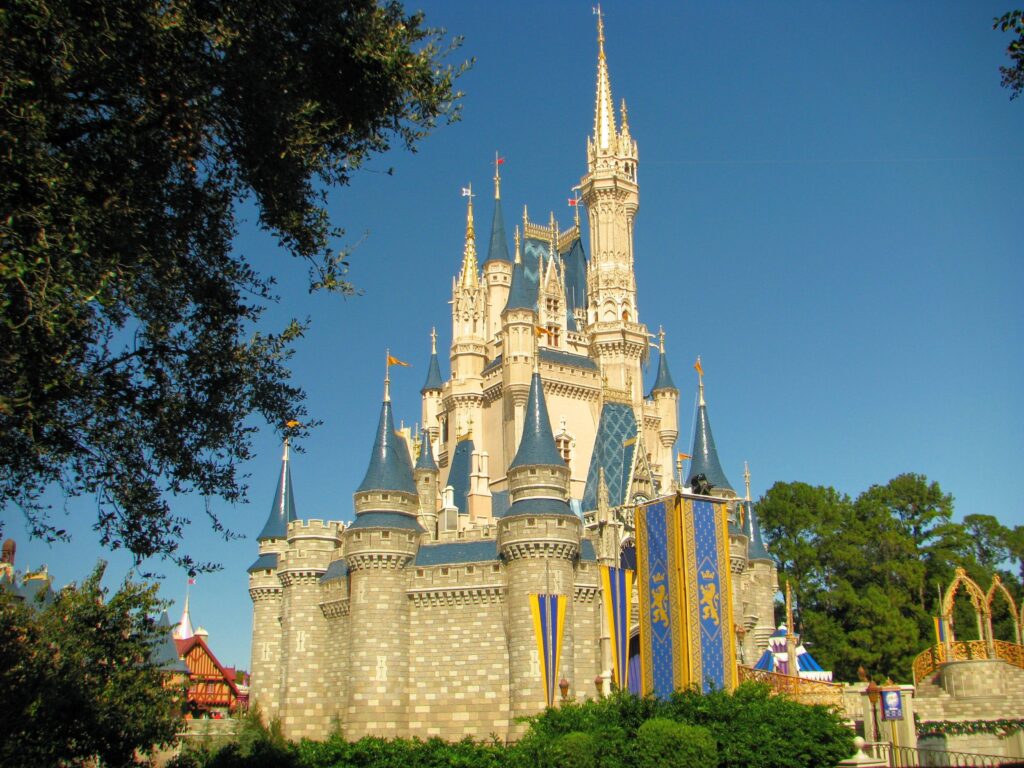
- The best illustrations would be theme parks like Disney World or Universal Studios: tourists come to see them to ride well-known rides and be entertained, and locals either visit them during off-season or avoid them all because of the expensive price of entry and the large crowds at all times.
- Popular beaches such as Venice Beach or even Miami Beach can get overcrowded even in the high season, and the local residents prefer less crowded areas of the coast or even private beaches.
- Although these spots are undoubtedly iconic and will provide them with what they might view as a must-see experience, they are not necessarily an effective choice to make when local residents are concerned about convenience, affordability, and having a less hectic experience.
- Knowing the reason the locals are not going to some places can assist novice tourists with setting expectations, planning their trips around crowds, and finding other places.
- The awareness of the hecticness of these attractions also enables the tourists to enjoy them differently as they do by being patient, timing well and having an effective itinerary.
Overcrowded Tourist Spots
- One of the primary factors that make locals eschew some of the most well-known tourist spots in the U.S. is overcrowding, which is most likely nearly always the case with such popular resort spots as Times Square, Hollywood Boulevard, and Las Vegas Strip.
- Queues on attractions, photography and food booths can take hours thus making such places less attractive to people residing there.
- Seasonal parks like Yellowstone or Yosemite receive a lot of visitors and thus during the peak season the parks are commonly characterized by traffic snarls, congested trails, and parking.
- Even historical places such as the liberty bell or the Independence Hall at Philadelphia draw huge masses of people during holidays and thus casual visits are inconveniencing.
- It is also the high foot traffic which may decrease the quality of the experience. Noise, litter, and over-commercialization are some of the causes which make locals shun these places.
- Most locals are aware of other exits, low season, or altogether different places to be able to experience the same without all the mess.
- However, these places are very popular among tourists since they are well known, convenient and most of them are featured on guidebooks.
- The comprehension of the degree of overcrowding will lead to travelers managing expectations, making arrangements to visit during the least busy times and making sure that they are prepared to wait.
- Convenience and efficiency are the aspects that define avoiding these areas by locals who have the choice of the quieter time or other locations.
Why Locals Avoid Them
There are reasons why locals would not want to visit overcrowded attractions. It can be frustrating waiting long lines to rides, exhibitions or to have photos. The cost of food, parking, and entry fees are very high making these places less attractive to visit on a regular basis.
Traffic, noise and over-commercialization take away pleasure. The residents usually have alternative places around that are less crowded but offer the same experience.
Rather than visiting attractions during peak times, they can visit when there are no crowds and in places that are less known to the visitors to have a relaxing time.
Hidden Alternatives Loved by Locals
- Whereas the tourists rush to see the popular landmarks, the locals tend to find other lesser known ones that are less frequented and just as satisfying. These areas cover smaller parks, local museums, off roads trails and local attractions.
- They can illustrate by the case of Venice beach versus Los Angeles people who may go to the quieter Malibu State Beach or El Matador State beach and enjoy the same beautiful scenery.
- In New York, residents do not frequent major hotspots in Manhattan but rather other recreational areas such as Prospect Park, Roosevelt Island, or other minor attractions in the various boroughs.
- Smaller museums that have lower attendance usually have some special collections and engage experiences with no lines.
- Much of the cultural experiences related to traveling to small towns, historic districts, and regional landmarks are authentic and are normally omitted in mainstream travel guides.
- Other types of events that many locals attend are community festivals, local markets, and outdoor concerts, a combination of entertainment, learning, and social interaction.
- Such underdogs are the ones that can be fully explored casually, have the potential of meeting new people and also offer enhanced value at a reduced cost.
- Travellers that find these options tend to have a more genuine American experience, get to learn about the local customs, cuisine, and style without having to experience the burden of the crowds.
- The locals attach importance on availability, affordability and comfort and this makes them choose these less popular destinations.
- Through their example, the travelers can prevent frustration, time wastage, and acquire one of the experiences that most other tourists cannot.
Lesser-Known Gems Worth Visiting
- Local substitutes such as state parks, small historic towns, less well-known beaches, and local art galleries can be found as some of the hidden options.
- Travelling to such places eliminates congestions as well as provides almost similar or better experience as the major attractions.
- Considering the case of the Grand Canyon, as opposed to the major perspectives of the Grand Canyon, the surrounding minor trails offer breathtaking scenery with a limited number of tourists.
- Local parks, local events, and local attractions provide more localized experiences and tend to be less expensive.
- These gems should be a part of a trip to the extent that it offers a balance between a mainstream destination and something secretive so as to leave a lasting impact on budget and culture-oriented tourists.
Seasonal Challenges
- Tourist experiences in the U.S are highly affected by seasonal factors, which have an effect on the crowd and weather.
- Locations that are popular are hit by sharp peaks of population during summer, holidays and school holidays.
- The national parks such as Yellowstone, Yosemite and the Great Smoky Mountains are particularly busy during these seasons with long queues, parking lots that are usually full and lack of accommodation facilities.
- Colorado or Utah ski resorts are crowded in the winter, and Florida beaches are crowded in the spring break. Weather may also be a factor of fun; it can be too hot, it can be snowy, it can be rainy and restrict outdoor activities and accessibility.
- Most locals bypass these places during high seasons opting to visit the places when the seasons are low or visit different places.
- The costs are also influenced by seasonal issues because the prices of accommodations, attractions, and transport increase drastically during times of high demand.
- The knowledge of such season patterns will enable travelers to book their trips during the shoulder seasons when the weather is favorable but there are fewer people.
- Seasonal organization enhances comfort, lessening stress, and permits an experience that is more meaningful.
- The tourists that are not aware of seasonal trends might experience disappointment, waiting, and increased cost, and the locals are changing their schedules, trying to optimize enjoyment.
- The knowledge of how weather and peak seasons affect tourist attractions is useful in ensuring that first-time visitors have better value and less congestion in case they have limited time to visit the area.
When to Visit for a Better Experience
Most popular destinations will be best visited in shoulder seasons, which are spring and fall. Tourist places are not so overcrowded, accommodation and airline costs are cheaper, and the climate is usually not extreme.
Visits made in early morning hours or late afternoons would not attract the high tourist traffic. During weekdays, the off-peak days give less busy experiences than weekends or holidays. Strategic planning around such periods will give a more relaxed and enjoyable visit.
Costs vs Experience
- Most of the trendy locations in the U.S. are costly and locals tend to compare the price with the real experience.The charges to get in, guided tours, parking, souvenirs and meals in tourist spots are all expensive and increase in a small amount of time making it sometimes impossible to have a short visit due to the cost.
- To illustrate, the theme parks (such as Disney World or Universal Studios) are very expensive to attend with the prices of fast pass, meals, and parking added. Equally, some tours conducted in the busy cities might have unnecessary markups as a convenience.
- Hotel visitors usually attend on discounted rates or find other activities or avoid the costly activities altogether. Tourists on the other hand can be driven to go there due to the popularity of the destination, and in doing so, they do not make a cost benefit analysis.
- Assessing the balance between the price and the experience assists the travelers to make sound decisions, not to spend too much money, and concentrate on the activities that will give the real pleasure.
- Thinking about the budget, comparing other destinations, and prioritizing experiences contribute to the improvement of the value of a trip.
- The culture of the locals underscores the fact that rather cost-efficient choices tend to result in more fulfilling and less stressful experiences.
- Through exposure to the locals, travelers will be able to experience what is of interest in the popular destinations at minimum costs.
Are These Spots Really Worth It?
When traveling to American locations in the usual places, it is necessary to assess whether a place is actually worth your time and money. Certain popular tourist sites such as the Statue of Liberty, the Grand Canyon or Disneyland have become widely known across the world due to their distinctive experiences and culture.
Another benefit that these places offer to the first-time visitors is the opportunity to have the memories of a lifetime which would be worth the cost, the time spent in the queue, and the congestion.
But it is not all of the famous sites that are worth the same value particularly in terms of costs, crowds, and convenience. As an illustration, some over commercialized neighborhoods where food is overcharged, parking is overcharged, and admission is overcharged might not provide experience relative to the cost.
Visitors need to think about whether they are going to see the landmark or its cultural value or because it is on a checklist. One of the important things is also time, waiting in lines or pushing crowds may diminish the fun, particularly on short journeys.
In the case of low-end or regular travelers, a replacement of some attractions with off-peak visits, off-the-radar attractions, or different unknown options can be far more rewarding. These alternatives offer the same aesthetic, cultural or recreational experience without the hassle and cost of busier neighborhoods.
Further, the timing, group-size, and style of travel are also important considerations that have a bearing on whether the spot is worth doing or not. Some of the activities, including guided walks, visiting the site in the morning, or geographical new visit can contribute to the value of each stop.
Finally, the value will be subjective and will be determined by individual interest, attraction to crowds, and the general objectives of the trip. Evaluation of these factors would make it a balanced itinerary so that the traveler does not miss out on seeing some of the most popular attractions in the U.S.
without having to suffer in comfort or spend beyond his or her budget. It is better to be selective and purposeful about which destinations hold the highest importance to maximize the level of satisfaction and make the overall experience more fulfilling.
Insider Travel Tips
- Knowledge and local tips are important in enhancing the experience of a tourist in the U.S. Whereas the general tips are found in guidebooks and other online materials, locals are usually aware of the behind the scenes secrets that make visiting a certain place easier, cheaper, and more entertaining.
- As an example, one can come early in the morning or late in the afternoon to avoid long queues in popular attractions and ride on the public transport or walk to avoid congestion and high prices of taxis or rideshares.
- Most locals know the low season times, less busy exits and other perspectives which the tourists usually overlook. When people book the tickets online beforehand, it can offer both discounts and a fast track, which saves time.
- By talking to residents, attending community forums, or subscribing to local tourism social media accounts, it is possible to learn about temporary events, seasonal deals, and other attractions that make a trip more valuable.
- There are also insider tips, such as tips on how to be safe, where to park, and how to get around city-specific rules, which are especially helpful when a person visits the city in the first time.
- It is important to be flexible; schedules must be able to be changed based on weather, closures or special events. The residents also point in the overpriced, tourist traps, or overcrowded areas and directs visitors to areas that have better value.
- The insights presented here can be integrated into a travel plan in order to make sure that the time and money allocated to it go to meaningful experience as opposed to frustrating or low-value destinations.
- In the selection of the correct restaurants, the uncovering of secret parks, to identifying more quiet areas of attractions, insider knowledge will provide the traveler with a more genuine experience, with less stress.
- By following these tips, one will enjoy easier trips, smarter budgets, and be able to see the U.S destinations in a new light that most of the tourists ignore.
How to Beat the Crowds
- Crowds constitute one of the most typical problems when visiting some of the popular destinations in the United States.
- Being able to prevent or reduce them enhances comfort, pleasure, and effectiveness. The time of the day is also important–morning visits or evening visits are usually not the peak times compared to mid-day.
- Eliminating weekends in favor of weekdays, and holidays from the list of things to do, will decrease traffic levels in places of interest such as theme parks, museums, or city attractions.
- Other spots can also have more than one entrance or alternative paths that residents are familiar with; to venture into them would be a more peaceful experience.
- Planning the visit can be done by using the apps or local guides with the help of which it is possible to monitor the number of visitors in real time and the best time.
- Balanced itinerary will be achieved through mixing the popular spots and lesser-known areas where the tourist will have the opportunity to appreciate the iconic sites without being irritated by crowds and long queues.
- The process of strategic planning also includes bundling of similar locations to reduce the backward movement and the wastage of traveling time.
- As one example, one may visit several parks or historic buildings within a single neighborhood in a row, which will help to alleviate the stress during traveling.
- The fact that seasons in which there are no crowds are known as off-peak seasons, early reservations, and flexible schedules are some of the next means of dealing with crowds.
- Moreover, by taking part in the less popular activities, such as guided tours, outdoor activities, or community development activities, the tourist can appreciate the local culture without having to compete with such a large group of tourists.
- The most important constituency of a stress-free trip is to be proactive in planning, tracking visitor trends and modify itineraries based on the trends of the crowds.
- With a blend of the most famous tours, unknown or local ones, and scheduling tours in a smart way, tourists can enjoy their time to the fullest, save time, and save money related to long queues or the highest prices.
- In the end, it comes down to escaping the masses: it means proper planning, timing and versatility and you will be able to experience U.S. with ease, comfort and in an unforgettable way.
Frequently Asked Questions
What makes locals choose not to visit certain tourist attractions in the U.S?
The locals tend to shun them because of the congestions, queues, high prices, noise, and commercialized fun which diminishes the pleasure.
Would there be less noisy options to popular destinations?
Yes. The same can be found in hidden parks, neighborhood museums, small towns and the off-road trails to provide similar experiences at a reduced cost and less people.
What is the most appropriate time of the day to go there without thousands of people?
Mornings, late afternoons, working days, low season contribute to decreasing the waiting time and giving an opportunity to have a more comfortable visit.
How shall I know whether a destination is worth going?
Consider expenses, self-interest, the number of crowds, and time. There are several iconic sites that are once-in-a- lifetime and hidden gems which can be better.
What are some insider secrets to make a U.S. travel better?
Community forums provide real-time advice, whereas locals suggest purchasing tickets online, taking alternative transportation means, touring other exits, visiting off-peak seasons, and going during off-peak seasons.
What should I do to mix the popular and less popular sites effectively?
Bring together the nearby attractions geographically, juxtapose the popular locations against some of the unknown locations and organize an open time schedule so as not to go back and forth and congestion.
Is it possible to buster crowds with the help of apps and local guides?
Yes. Applications and local guides offer live data on the movement of visitors, time-outs, alternative routes, and activities during a time when the place is not active, which makes it more convenient and enjoyable.