New York New Jersey Stadium Guide: Transport, Food, and Seating for 2026
The biggest games from the FIFA World Cup 2026 will be played at the MetLife Stadium, also known as New York New Jersey Stadium, located in East Rutherford, New Jersey.
It is located on the outskirts of Manhattan, but it is for the whole metropolitan New York area. It has a capacity of approximately 82,500 spectators, and is one of the most significant grounds in the tournament.
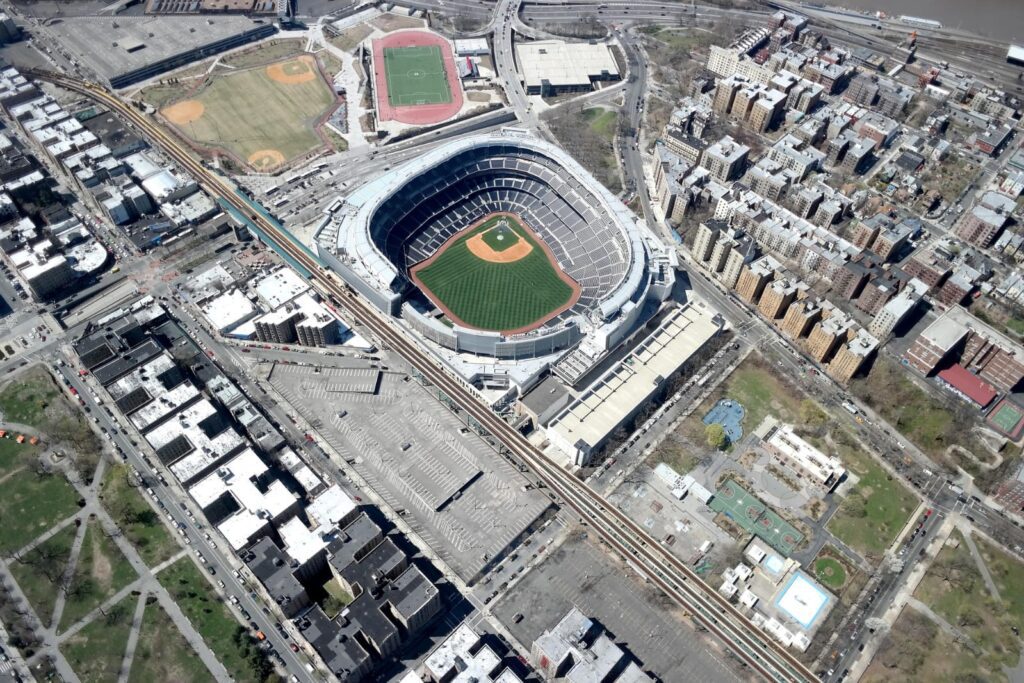
The area is very busy on match days and planning is key. Your experience will be determined by what you see when you get on and off buses and trains, where you can eat food and where you can sit down.
This guide will help you move efficiently, eat healthily and seat yourself correctly without confusion.
Stadium Overview and Location
- MetLife Stadium, also referred to as New York New Jersey Stadium, is located in East Rutherford, NJ, outside of New York City. It will host some of the key knockout games and the final of the FIFA World Cup 2026.
- The stadium can accommodate approximately 82,500 spectators, and is intended for large-scale events, equipped with modern facilities, spacious concourses, and effective security measures.
- It is named for New York, but it’s actually in New Jersey and part of the Meadowlands Sports Complex. It is surrounded by mainly roads and open space, with limited walking access.
- The fans have to use the organized transport to reach the venue. During games, the stadium is a “controlled area” that has vehicle parking restrictions and increased security screening.
- This is very crowded so it is crucial to plan ahead. The stadium has several gates, big screens, and three seating levels to accommodate the international crowds for the World Cup events.
How to Reach the Stadium by Transport
- The best way to get to New York New Jersey Stadium for World Cup 2026 is by public transport. The primary route runs from Penn Station in Manhattan to Secaucus Junction, via the NJ Transit route.
- A specially designed Meadowlands rail line then shuttles fans straight to the stadium platform. The total travel time is typically 30 to 60 minutes, depending on the number of people.
- There will also be shuttle buses that run from Midtown Manhattan, Port Authority Bus Terminal and certain park and ride sites. The services are meant to ease highway congestion which is likely to be very heavy on match days.
- There will be limited drop off areas that are quite a distance from the stadium gates and walking will be necessary. Crowds will be large following matches and delays will occur.
- If fans are travelling to and from stations, be aware of long waits, and allow additional time for your journey. Getting there and leaving on time is crucial for a hassle-free ride.
Inside Stadium Entry and Gates System
- During World Cup 2026, there will be strict security measures in place for admission to New York New Jersey Stadium. The fans will enter through designated entry gates according to their ticket section including the MetLife Gate and other color coded gates.
- Sectors have bag checks, metal detectors and ticket checks. People often begin to gather 1 – 3 hours before kickoff, and there can be a lot of people in the stands.
- Mobile phones will need to be switched on and fully charged for scanning and digital tickets must be used. The stadium itself has spacious concourses to accommodate crowds, but crowding issues still occur at food stalls and entry tunnels.
- Multiple language signage will direct the fans to their seats. There will be staff on hand to help visitors through the venue. Inside is easier to move around but it is important to plan your arrival time.
- Early admission reduces stress and an opportunity to inspect facilities before games.
Seating Layout and Best Views
- The stadium seating is divided into three main levels, offering different viewing experiences and prices. The 100 level is closest to the pitch and offers the most extreme match atmosphere particularly near midfield areas.
- The 200 level provides a combination of comfort and visibility and includes club style seating and increased food access. The 300 level is the highest and most inexpensive, but with a steep design of the stadium, it will offer a full view of the pitch.
- The midfield seats are the most popular, as they provide the ideal view of the football action and the players’ movements. The corner seats are less expensive but offer less viewing range.
- Rather than sitting on the East side of the stadium, it is recommended to have seats on the West side for afternoon contests as they will be shadier. Additional comfort, private lounges and premium services are part of the VIP and hospitality sections. The choice of which seat to buy depends on the individual’s budget, preference and match time in the World Cup.
Food and Dining Experience Inside the Stadium
- During the World Cup, food at New York New Jersey Stadium will present a variety of classic American stadium cuisine and international dishes. These include hot dogs, burgers, fries, chicken sandwiches, nachos and soft drinks. Special event menus can be expected to feature international cuisine based on the cuisine’s international fan base.
- Premium seating offers better quality food like gourmet sandwiches, pasta, seafood and specialty beverages. The price of food within the stadium will be more expensive than in other restaurants and so the fan must make some adjustments to their budgets.
- Some area may have mobile ordering systems to speed up waiting times. Alcohol is sold in licensed zones but lines form before and during half time.
- It is likely that there will be water stations and water refills in several areas. The concourses are planned to include a number of food stalls but may become overcrowded on busy days. Being there first gives fans a head start to sit down before the game begins.
Best Strategy for Match Day Experience
- Time, preparation and crowd awareness are all key components to a successful match day. Arrive at least two to three hours prior to kickoff to avoid any delays in getting to and from the stadium for security checks.
- NJ Transit schedules or official travel apps are useful for planning the trip more efficiently. Don’t take large bags or any unnecessary items as it will slow down security screening.
- Have a look around before the game starts in the stadium, around seats and food stands. Make sure to leave the game in time to avoid overcrowding at train stations and exits.
- Some fans opt to stay in the stadium for 30-60 minutes before departing. This helps to lower the pressure and increases travel comfort. The weather can turn rapidly so light rain protection or sun protection might be required.
- Don’t forget to charge up your cell phone for tickets, navigation, and emergencies. During the World cup games, staff instructions and patience is the key to ensuring a safer and smoother match with the crowd.
Nearby Hotels and Stay Planning
- The majority of New York New Jersey Stadium fans reside in Manhattan, or other cities in New Jersey like Jersey City, Newark, or Secaucus.
- You find more entertainment, restaurants and nightlife in Manhattan, but it takes longer to get to the stadium. New Jersey hotels are located nearer and are easily accessible via NJ Transit or shuttle.
- World Cup weeks are when prices hit the roof for accommodation, so bookings are required well in advance. Living close to Penn Station or key transportation routes reduces stress of travel and makes it easier to get to the train.
- There may be some hotels that provide shuttle packages on match days, but it is limited. Return travel times should also be taken into account when selecting where to stay as there will be congestion late at night.
- Staying in proximity to transportation centers facilitates easier travel prior to and after games. Bookings in advance prevent any last minute price rises and limited bookings during big tournament events.
Safety, Crowd Control, and Final Tips
- During World Cup 2026, the stadium will have strict safety measures and be well organized. Security personnel, Police and event officials will oversee the flow of the crowd in and out of shuttles, stations and entry gates.
- Fans are always reminded to keep their own items safe particularly during crowded trains and queues. It is advisable not to use unofficial ticket sellers and only official transport and entry systems should be used.
- When traveling in groups, it is important to have a meeting place in case anyone strays off. There will be emergency medical stations available in the stadium for assistance.
- Obey staff’s instructions to avoid congestion and smooth movement. There will also be large groups of fans on the premises during the entry and exit; they must be patient.
- Adhering to rules, keeping out of restricted areas and being aware of their surroundings in busy places are ways to ensure safety. By preparing and being aware of the situation, visitors can have a safe and responsible World Cup experience at this iconic venue.
Conclusion
FIFA World Cup 2026 will be one of the most crucial stadiums in New York New Jersey. It does provide an excellent football environment, but planning is essential because of the large numbers of people and the complicated transport system.
There is no way but by public transportation on match days, particularly NJ Transit trains and shuttles. Early Planning, on time, and having a clear plan of routes will help fans have a smooth trip.
Comfort is also influenced by the seat choice, with the best seats being in midfield in the lower bowl. Within the stadium, there are numerous food choices, but they are costly and it is important to budget.
Safety measures will be enforced and crowd management will be a key element in the control of millions of visitors.
Preparation is key to a successful experience. Fans need to be familiar with transportation routes prior to their trip, and stay in locations that are convenient to the transportation routes before and after their arrival.
If these steps are not taken, it may result in excessive congestion around the stadium and cause delays and stress. The stadium will be the site of some of the greatest matches in football history, including the final of the World Cup.
It will be a truly unparalleled energy, size and world. If you plan accordingly, you’ll have a seamless, secure and memorable soccer experience at one of the world’s most recognizable stadiums.
FAQs
A1: New York New Jersey Stadium is situated in New Jersey, USA.
It’s in East Rutherford, New Jersey, part of the Meadowlands Sports Complex, near New York City.
Q2: How to get to the stadium?
The easiest way to get to the stadium is via NJ Transit from Penn Station to Secaucus Junction and then directly to the stadium by train or shuttle.
Q3: Can I drive to the stadium on match days
Private car access is highly restricted. Parking is very limited, so public transport is strongly recommended.
Q4: How early should I arrive before a match
You should arrive at least 2 to 3 hours before kickoff to avoid transport delays and long security lines.
Q5: What food is available inside the stadium
You will find burgers, hot dogs, fries, chicken sandwiches, snacks, drinks, and some international food options.
Q6: Which seats are best for viewing
Midfield seats in the lower bowl give the best view. They offer clear sightlines and strong atmosphere.
Q7: Is the stadium safe for tourists
Yes, it is safe. Security checks, police presence, and crowd management systems will be active during World Cup matches.
Q8: What should I avoid on match day
Avoid large bags, late arrival, unplanned transport, and unofficial ticket sellers.
Q9: Can I use ride sharing services
Yes, but drop off and pickup points are far from the stadium, so walking will be required.
Q10: What happens after the match ends
Expect heavy crowd congestion. Many fans wait 30 to 60 minutes before leaving to avoid rush at stations.